
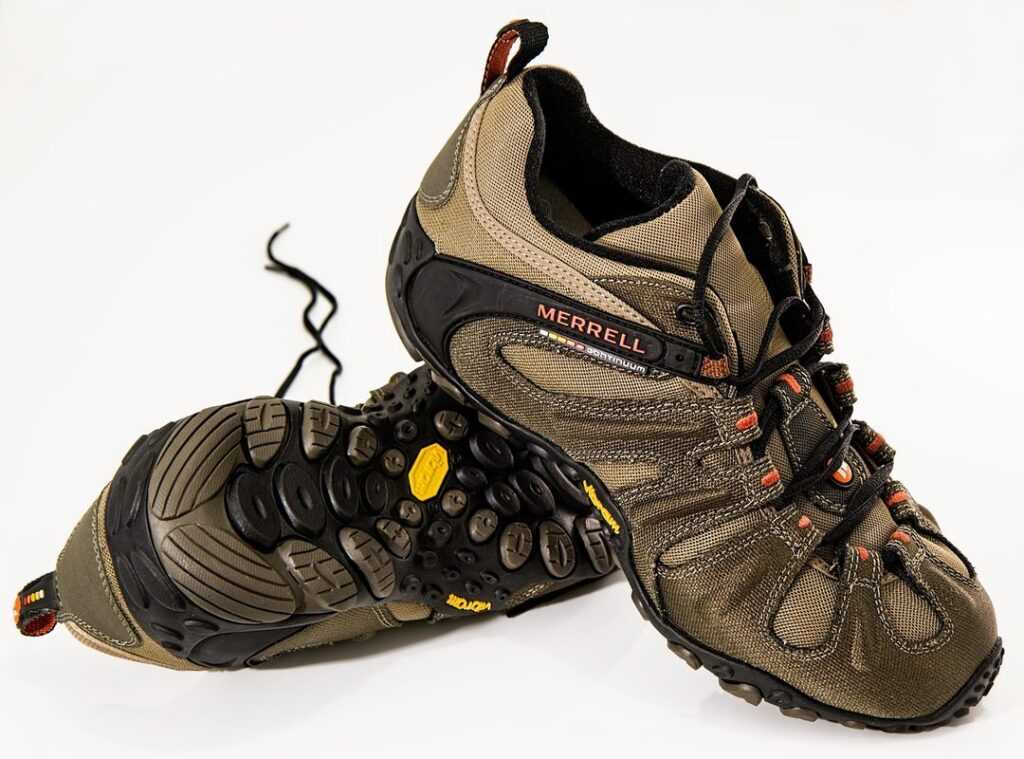
Worn-out hiking boots ruin adventures. Blisters and discomfort cut trips short, leaving you frustrated and searching for answers. I’ve been there, and I get it.
Choosing the right gear is key, especially when it comes to durable trekking boots. This guide will help you find long-lasting footwear that can handle the rugged trails and unpredictable weather. I’ve explored countless trails and tested gear in real-world conditions.
I know what works and what doesn’t. This isn’t about chasing trends. It’s about making smart investments in your comfort and safety.
You want footwear that lasts, and I’m here to show you how to pick it.
In this article, I promise to share actionable takeaways and practical advice that will transform your hiking experience. I’ll cover the essentials to look for in durable boots and how to avoid common pitfalls.
Let’s turn those frustrating moments into unforgettable adventures. It’s time to get your feet in the right boots and hit the trails with confidence.
Durability: The Trail’s Non-Negotiable
You ever slipped on a trail because your shoes couldn’t hack it? I have, and it’s not fun. That’s why durable trekking boots aren’t just a luxury; they’re a necessity.
They keep you upright, protecting ankles and preventing slips. Safety isn’t just about looking cool, it’s about staying vertical (because faceplanting isn’t a great look).
But let’s talk money. Investing in good boots seems expensive until you realize you’re not replacing them every season. Cheaper shoes?
They don’t last. You’ll end up spending more over time. Plus, every pair of beat-up throwaway shoes you buy?
They end up in a landfill. Fewer replacements mean less waste. It’s a win for your wallet and the planet.
You want to trust your gear when you’re miles from anywhere. There’s nothing like the peace of mind knowing your last step won’t rip your sole in half. Durable boots mean you’re not worried about your feet, so you can focus on conquering that trail.
They even boost your performance over rocky terrain. Confident feet, happy trails.
Decoding Durability: Key Components of Enduring Hiking Footwear
Let’s talk about what separates the good from the great in durable trekking boots. The upper materials are your first line of defense. Full-grain leather, while sturdy, can be a nightmare to break in.
But it excels in abrasion resistance. On the flip side, synthetic fabrics like nylon can be a breeze for breathability and are often waterproof. But longevity?
Leather often wins.
Now, the midsole. EVA midsoles offer cushioning that’s heaven on the trails, though PU is the king for long-term compression resistance and bounce-back. Ever noticed how your boots start feeling flat?
That’s midsole breakdown. Choose wisely.
Outsoles matter too. Vibram has a cult following for grip, but proprietary compounds can surprise you. Look for deep lugs.
They grip like a pro and wear less.
And don’t overlook construction. Cemented boots are common but can be hard to repair. Stitch-down is flexible, while Blake stitch can be durable but pricey.
Finally, hardware is key. Metal eyelets and hooks won’t let you down like cheap plastic. Plus, quality laces can make all the difference.
Ready to choose the right gear? Maybe think about choosing right tent season too.
Choose Your Adventure Footwear: The Right Hiking Match
Picking the right hiking footwear is like choosing your best hiking buddy. Does it fit your trail? Your adventure?
If you’re tackling gentle day hikes, lightweight hikers or trail shoes are perfect. They’re durable for less rugged paths, thanks to reinforced mesh and strong outsoles. You won’t feel like you’re lugging bricks around.
But if you’re venturing onto moderate trails or planning a multi-day trek, you need something more. Mid-cut hiking boots strike a balance between support and protection. Their leather or heavy-duty synthetic construction gives that durability edge.
You don’t want a twisted ankle halfway through, right?
Now, for the serious trekkers hauling heavy loads or challenging terrain, heavy-duty backpacking boots are your best bet. They offer stiff soles, full leather uppers, and strong ankle support. But remember, the ‘most durable’ isn’t always ‘best’ if it doesn’t match your needs.
Comfort is key. Who wants blisters from boots that don’t fit the adventure?
Also, consider waterproofing technologies like Gore-Tex. They can impact breathability and lifespan. Are sweaty feet your idea of fun? (Thought not.) The wrong choice leads to discomfort and disuse.
Choose wisely. Your feet will thank you.
Beyond the Purchase: Extend Your Hiking Boots’ Life
Your hiking boots deserve more love. Really, they do. Regular cleaning is key.

I can’t stress enough how dirt and grime sneak in and ruin your gear. For leather boots, use a soft brush and mild soap. Synthetics?
Drying is next. Never leave your boots near direct heat. It wrecks them.
Wash them gently with water.
Instead, air-dry them at room temperature. I stuff mine with newspaper. It’s a trick to absorb moisture quickly.
Conditioning and waterproofing aren’t optional. For leather, a good leather conditioner keeps them soft and crack-free. Synthetics?
A durable water repellent (DWR) treatment is your go-to.
Storage matters, too. Always stash your boots in a cool, dry place. Avoid sunlight like the plague.
Extreme temperatures are a no-no.
Small repairs are a lifesaver. A loose lace or tiny tear isn’t just aesthetic. Fix them before they escalate to major issues.
Have you checked out durable trekking boots? They’re a game changer. But remember, even the best boots need care to last.
Taking these steps will make sure yours stand the test of time.
Smart Buying Strategies: What to Look for and What to Avoid
Buying durable trekking boots isn’t just about style; it’s an investment. You want comfort and longevity. Always prioritize fit.
A snug fit prevents internal wear and gives better support. Try boots with hiking socks. Why?
Your feet swell as you walk, and this simulates a day of trekking.
Next, inspect the construction quality. Look at stitching, seams, and sole attachment. Weak stitches can ruin your hike faster than you think.
The seams need to be strong, not loose. Solid sole attachment is key for rough trails. Researching brand reputation helps too.
Some brands are famous for durable kicks (and not just because they’re trendy).
Does the warranty indicate confidence in their product? A solid warranty often shows a manufacturer stands by their boots’ durability. And here’s a tip: read user reviews critically.
Look for patterns, not one-off complaints.
Avoid deals that seem too good to be true. They probably are. Cheap footwear usually cuts corners on quality.
If you’re serious about gear, check a Best Camping Hammocks Review for advice on other essentials.
Gear Up for Adventure
You’ve got the knowledge to choose durable trekking boots that won’t fail you. No one wants to deal with gear that cuts their adventures short.
You get that informed choices matter. The right materials, construction, fit, and care make a big difference. This means you can enjoy your hikes instead of worrying about blisters or broken straps.
So why not put this info to work? When you gear up next time, remember what you’ve learned.
Lace up, hit the trails, and explore our site for more gear takeaways and outdoor tips. Make every adventure unforgettable. You deserve it.
Are you ready to raise your outdoor experiences? Don’t wait (your) next adventure starts with smart choices.