
Many people feel lost when they think about foraging wild edibles. It’s intimidating, right? Misidentification and lack of knowledge can make anyone hesitate.
I get it.
But reconnecting with nature and understanding where our food comes from is important. This guide stems from my own experiences exploring the outdoors. I’ve learned the ins and outs of harvesting wild foods, and I want to share that with you.
You’ll find reliable, field-tested advice here. I promise it’s safe and rewarding.
Imagine the thrill of discovering wild foods in your own backyard or nearby woods. There’s something deep about foraging that goes beyond just eating. I want to help you to tap into nature’s pantry with confidence.
In this article, you’ll receive a clear roadmap for foraging. Let’s dive into the abundant world of wild foods. Your adventure starts now.
Foraging Wild Edibles: The Essentials
Foraging is like a treasure hunt, only the treasure is food. This ancient practice. Searching for wild edibles (is) as relevant today as it was centuries ago.
But let’s get one thing straight: if you’re not 100% sure what you’ve found, don’t eat it. The “Golden Rule of Foraging” is simple: if in doubt, throw it out. Seems harsh?
It’s not. It’s just safe.
Knowing your local environment is key. Reliable field guides, local experts, and online foraging communities are your best friends. They’re the ones who’ll help you avoid picking something toxic.
And let’s not forget the ethics of it all. Always ask for permission before foraging on private land. Follow local regulations in state parks and national forests.
Respect indigenous practices. They’re steeped in wisdom.
Foraging isn’t without dangers. Misidentification aside, there’s the risk of picking from contaminated areas. Pesticides and industrial runoff can ruin your day.
Plus, you might stumble upon local wildlife, so stay alert. Allergic reactions are another consideration. It’s not all doom and gloom, though.
Foraging can be peaceful and even meditative. If you want to connect more deeply with nature, learn more about meditative walking and let it boost your outdoor experiences.
Gear Up for Foraging Success: Essentials You Need
When heading out to forage, your gear can make or break the adventure. You’re not just tramping through the woods; you’re on a mission. A sturdy, breathable basket or canvas bag is key.
Why? It keeps your finds fresh. A small trowel or sharp knife helps with clean cuts, making it easier to gather the delights of nature.
Durable gloves? Those protect your hands from thorns and bites. And don’t forget a water bottle to stay hydrated.
For navigation, a compass or GPS device is important. You don’t want to end up lost (those horror stories aren’t fun). A reliable, waterproof field guide is your on-the-go library.
Identify what excites you without worrying about the weather.
Pre-foraging research is key. Know what’s in season in your area. Check local weather; nobody likes surprises when it comes to rain or sweltering heat.
Dress appropriately: layers for changing weather, sturdy shoes, and protection from sun and insects.
Always inform someone of your plans and return time. Better yet, use a buddy system in unfamiliar areas (safety first). For more takeaways on foraging wild edibles, explore detailed resources and get the most out of your foraging trips.
Wild Edibles: Nature’s Grocery Store
Let’s talk about foraging wild edibles. Why? Because it’s amazing what you can find just by stepping outside.
Have you seen dandelions? They’re everywhere with those bright yellow flowers. The leaves form a basal rosette, and if you pick them, a milky sap appears.
Take wild garlic, for instance. Its leaves are long and pointed, smelling unmistakably like garlic. But don’t confuse it with the poisonous lily of the valley.
They look similar, but the latter has no garlic smell.
Then there are nettles. They’re a pain to touch (literally), but once steamed, they taste like spinach. And let’s not forget about blackberries and raspberries.
They’re juicy treasures hiding in thorny bushes.
Oh, and violets. Small, heart-shaped leaves with violet flowers, they’re beautiful and edible. But don’t just rely on looks.
Use multiple identification clues. Check a field guide or ask a seasoned forager before eating anything.
Start with easy finds and build confidence. Before long, you’ll explore more complex choices. It’s like leveling up in a game!
By the way, if you’re keen on exploring nature further, check out how technology boost birdwatching. It’s a nifty way to combine tech with nature. Happy foraging!
Foraging Wild Edibles: The Art of Taking Just Enough
Ever heard of the Rule of Thirds in foraging? It’s simple. You only take a third of what’s available.
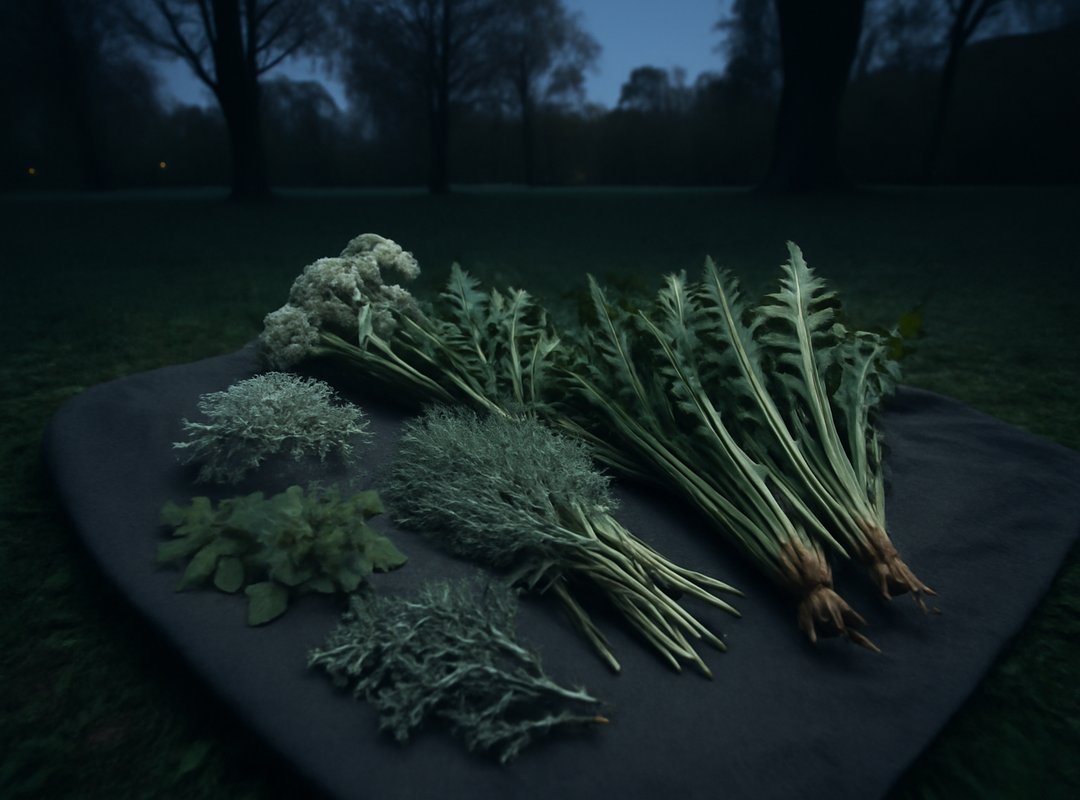
Why? Because nature needs its share too. Wildlife and future growth depend on it.
This isn’t just about being nice. It’s about survival.
Take mushrooms, for example. Picking them right is key. You have to avoid damaging the mycelial network.
It’s like the brain of the fungus underground. Snip leaves carefully too. You don’t want to harm the plant.
And when it comes to root veggies, a gentle hand is key. Yank the whole thing out, and you risk killing the plant.
Over-harvesting is a real problem. Some plants grow slower. Others are just rare.
Leave them be, and they’ll thrive. Take too much, and you’ll see them disappear.
But why does this all matter? Healthy ecosystems rely on balance. When we take too much, we shift that balance.
We need to build a reciprocal relationship with nature. It’s not just about us. It’s about everything around us.
So, let’s be stewards of the land. Advocate for conservation. Teach others.
That’s how we preserve the wild spaces we love. It’s not just for us. It’s for the future too.
From Field to Feast: Processing and Preserving Your Wild Harvest
Foraging wild edibles is more than a hobby; it’s a passionate pursuit. Once you’ve gathered your treasures, the first step is to clean them. Brush off loose dirt and give them a gentle rinse under cool water.
I always check for insects or blemishes. You don’t want any surprises in your kitchen.
Preparation is where the magic begins. For nettles, try a soothing tea. Dandelion greens make a refreshing salad, while wild mushrooms are perfect sautéed.
Berry compotes, anyone? Simple recipes let the flavors shine.
Preservation is key if you want to enjoy your harvest year-round. Drying herbs is easy, and freezing berries or mushrooms extends their life. Making jams or jellies is another way to savor their goodness.
Pickling wild veggies? A classic move.
Why preserve? It reduces waste and keeps your pantry stocked sustainably. Plus, you can’t beat the satisfaction of eating what you’ve foraged (especially) in the off-season.
Experimentation is part of the fun. Try integrating these wild ingredients into everyday meals. It sparks creativity and deepens your connection to the natural world.
Who knew your backyard could be a culinary wonderland? That’s the beauty of foraging.
Dive Into Nature’s Bounty
You now have a solid grasp of how to confidently explore natural food sources. Remember when you felt overwhelmed by the idea of foraging? This guide tackled that head-on.
The knowledge shared about safety, important gear, and sustainable practices empowers you to enjoy foraging wild edibles with respect.
Start small. Explore your local natural areas. Feel the satisfaction of harvesting your own food.
It’s a rewarding connection that can change your relationship with nature. Keep learning and share your discoveries. Ready to take the plunge?
Go out there and embrace the abundance waiting for you.