
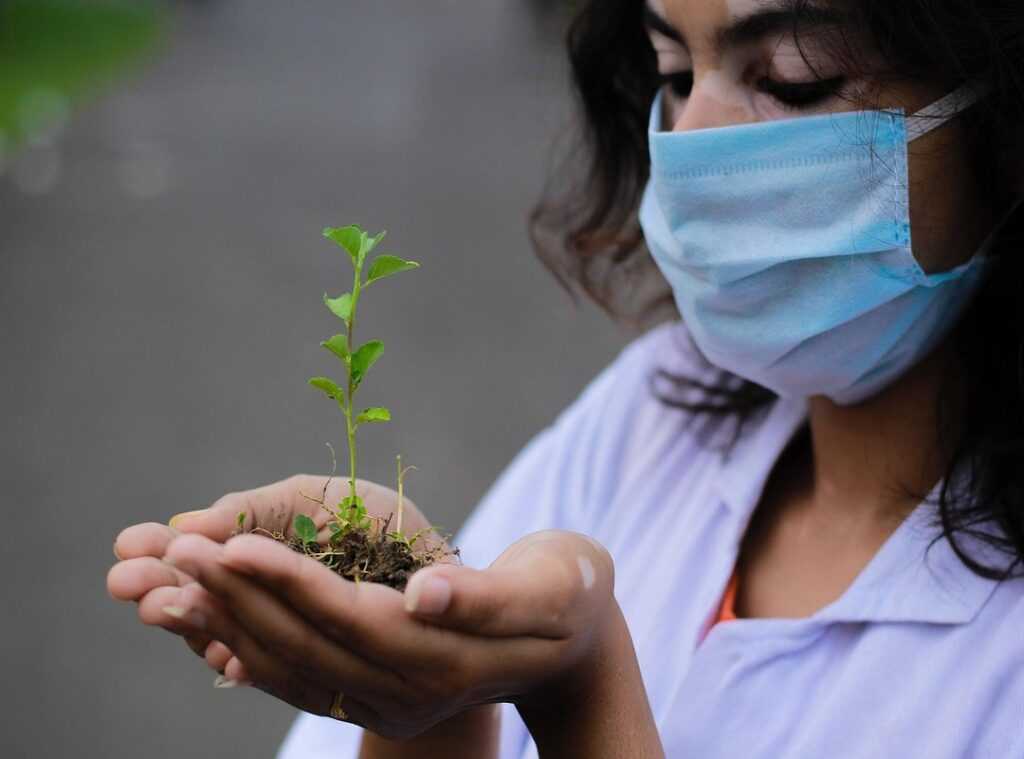
Plants are everywhere, yet most people overlook the detailed world behind their growth. Have you ever wondered what really drives plant development? That’s where botanical development research comes in.
This article aims to pull back the curtain on this key field. I want to explain what it is, why it matters, and how it shapes our lives and the environment.
Many outdoor enthusiasts love nature but don’t see the scientific efforts that help us understand and use the potential of plants. That’s a missed opportunity.
Trust me, I’ve spent years exploring nature and diving into the science that fuels a healthy space. You can count on me to provide clear and practical knowledge about plant growth science.
Anyone who spends time outdoors knows there’s more to nature than meets the eye. This research enriches our connection to the natural world.
By the end of this article, you’ll have a clearer understanding of botanical development research and its significance. Ready to dig in? Let’s get started.
Unpacking Botanical Development Research: More Than Just Plants
Botanical development research isn’t your basic plant study. It’s a complex field that blends biology, chemistry, genetics, ecology, and even agriculture. We’re not just looking at how plants grow.
We’re figuring out how to use them in new ways. That’s plant growth science in action.
Ever wonder how plants endure harsh climates? Botanical research digs into that. It explores plant resilience and discovers compounds that might help other plants.
Or even humans. Take a scenario where scientists identify a plant thriving in drought. They study it, extract useful traits, and apply them to agriculture.
It’s about innovation, not just observation.
Let’s break it down. First comes discovery and characterization. Here, research identifies new traits or compounds in plants.
Then, there’s cultivation. This step focuses on replicating and enhancing those characteristics. Finally, application.
It’s where we see plant knowledge put to use: developing new products or technology.
This discipline extends beyond traditional botany. It’s not just about understanding plant mechanisms but using that insight for solutions in real-world problems. Think about developing plant-based products or even biofuels.
So, what’s the big deal? Botanical development research is the bridge between understanding plants and applying that knowledge practically.
Botanical Wonders: Beyond the Books
Botanical research isn’t just for academics. It’s all about real-world impact. Take medicine, for example.
We’ve discovered new therapeutic compounds and developed plant-based drugs that change lives. Traditional herbal remedies? They’re not just old wives’ tales.
They’re part of a rich history that we’re only beginning to understand.
Food security is another big win. Plant growth science helps us develop disease-resistant crops. This means more food on our tables and less worry about the next famine.
Enhancing nutritional value? Yep, that’s on the list too. Sustainable agricultural practices are the future, and we’re leading the charge.
Let’s not forget the environment. Understanding biodiversity and restoring ecosystems are key. We’re even developing bioremediation techniques to clean up our messes.
And for those of us who love the great outdoors, this research is a game-changer. It preserves the natural spaces we explore and supports the ecosystems key for wildlife.
Ever thought about how this ties into your camping trips? Eco-conscious camping practices are informed by this very research. Want to dive deeper into nature?
You might want to start a nature journal and see where your curiosity takes you.
Unveiling Nature’s Mysteries: The Botanical Research Journey
Botanical research isn’t just about wandering through fields with notebooks. It’s a precise process, starting with observation. You spot a plant and wonder, “What’s its story?” the adventure begins.
Collecting plants is an art, done ethically to protect our environment.
Ever tried identifying a rare species? It’s like solving a puzzle. You need patience and a keen eye.
In the lab, things get even more exciting. Genetic analysis, chemical extraction, and tissue culture reveal secrets hidden in plant cells. It’s like a science fiction movie, minus the aliens.
Controlled environment studies help us understand how plants respond to different conditions.
Field trials are where theory meets reality. Testing plant varieties and growth patterns is key. It’s not just about watching grass grow (though, sometimes it feels like it).
And let’s not forget the role of technology. Remote sensing and AI transform data analysis. Advanced microscopy shows plant structures in breathtaking detail.
It’s plant growth science at its finest. If you’re curious, check out this plant growth science source.
Pro tip: Collaboration is key. No botanist is an island. Working together, we uncover nature’s secrets.
Frontiers of Discovery: Innovations Shaping Botanical
Botanical development is like a treasure hunt. Every breakthrough feels like finding the X on a map. Scientists are diving into plant genetics, using gene editing to create crops that are not just better but also smarter.

Improved plant immunity and enhanced natural defenses are no longer just dreams. They’re happening right now.
Think about it: plants cleaning up pollution. That’s not science fiction. It’s called phytoremediation.
Using plants to clean up our mess is smart, and sustainable. And let’s not forget biofuels and biodegradable materials. Plants aren’t just food (they’re) our future.
Urban botany and vertical farming? They’re not just buzzwords. They’re real solutions.
In cities where green space is scarce, vertical farms are popping up like mushrooms after rain. Researchers are optimizing plant growth in controlled environments, making sure we can grow food anywhere.
Oh, and there’s more. The exploration of novel plant compounds for pharmaceuticals and cosmetics is like alchemy. Turning plants into medicine and beauty products?
That’s magic.
For those curious about how weather affects plant growth, I’ve found understanding local weather patterns really helpful. It’s key for anyone interested in plant growth science.
Plant growth science isn’t just a field. It’s a revolution.
Connecting with Nature: Your Role in Botanical Growth
Doesn’t it feel good to contribute to something bigger than yourself? I think so. If you’re into the outdoors, you’ve got a real chance to support plant growth science.
Ever heard of citizen science? It’s where you collect data on plants like a pro. You can identify species or track flowering times.
It’s not just for botanists anymore.
And let’s talk about foraging. I love finding wild herbs, but it’s key to know what you’re picking. Sustainable harvesting is a must.
Take only what you need and leave the rest. Respect the land and it’ll respect you back (or at least not bite you with poison ivy).
Support your local botanical gardens. These places are not just pretty. They’re research hubs.
They need you. Whether it’s a donation or just a visit, it helps.
Leave no trace when you’re out there. Sounds basic, right? But seriously, pack out what you pack in.
Plants can’t thrive in a trash heap.
Lastly, slow down. Take time to learn about the plants you encounter. They play roles in ecosystems you might not even realize.
Isn’t that worth a second glance?
Embrace Nature’s Wonders
Your journey into the world of botanical development research has reached a solid foundation.
Remember the initial complexity? It’s real, but the takeaways you’ve gained connect science directly to the beauty of nature.
This enhances how you appreciate your outdoor experiences.
So what’s next? Keep exploring.
Observe nature around you. Dive into citizen science projects. Support organizations that focus on plant growth science and conservation.
There are endless discoveries waiting in the botanical world.
We all share the responsibility of understanding and protecting it.
Let’s embrace this together.
The beauty of nature is just a step outside your door.