
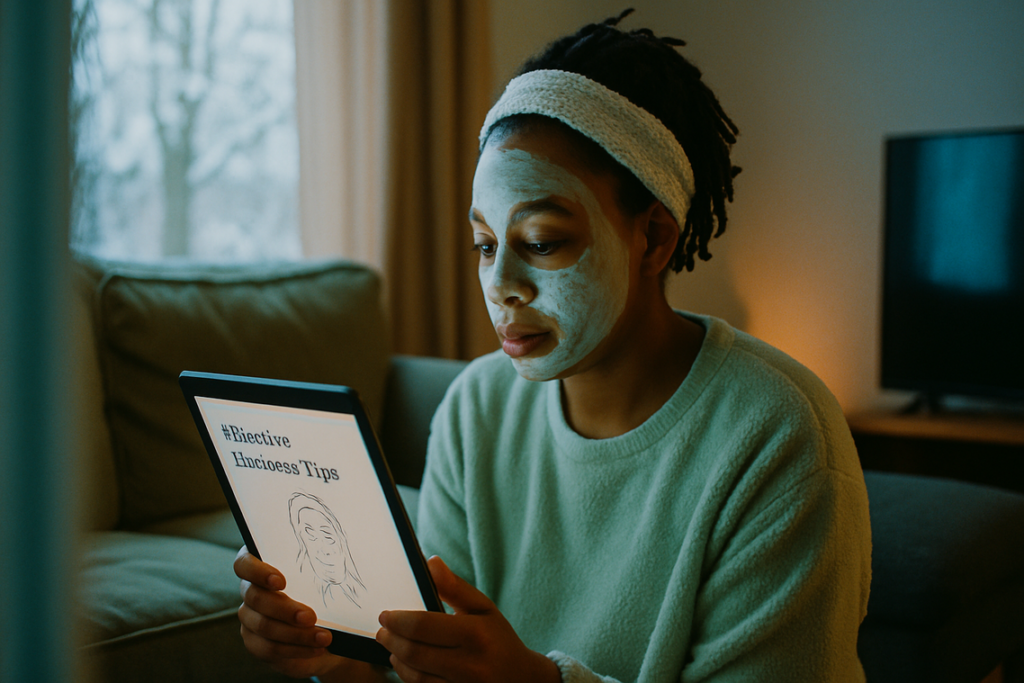
I’ve seen too many people waste money on skincare products that don’t work.
You’re probably here because your bathroom cabinet is full of half-used bottles and your skin still isn’t where you want it to be. The advice out there contradicts itself every other week.
Here’s what actually matters: your skin barrier. Get that right and everything else falls into place.
I spent years studying dermatological research to figure out what works and what’s just marketing. The skincare hacks impocoolskin teaches aren’t about buying more products. They’re about using the right ones in the right order.
This guide gives you a step-by-step plan that focuses on long-term skin health. Not quick fixes that fade in a week.
We’ve taken decades of research and turned it into something you can actually use. No medical jargon. No complicated routines that take 45 minutes.
You’ll learn which steps matter and which ones you can skip. You’ll understand why your current routine might be working against you.
By the end of this, you’ll know exactly what to do. No more guessing. No more wasted money.
Just clear skin and a routine that actually makes sense.
The Core Three: Your Non-Negotiable Daily Skincare Steps
You don’t need a 12-step routine.
I know that’s not what the beauty industry wants you to hear. But after years of testing products and watching what actually works, I can tell you this: three steps done right beat ten steps done wrong.
Every time.
Step 1: Cleanse Correctly
Your cleanser shouldn’t make your face feel tight or squeaky clean. That stripped feeling? That’s your skin barrier crying for help.
I recommend looking for a pH-balanced cleanser that sits between 4.5 and 5.5. That’s where your skin naturally lives, and staying in that range keeps everything working the way it should.
If you wear makeup or SPF (and you should be wearing SPF), double cleansing is your friend. Start with an oil-based cleanser to break down the gunk, then follow with your regular gentle cleanser. It sounds like extra work but it takes maybe 90 seconds total.
Here’s what happens when you use harsh cleansers. Your skin freaks out and overproduces oil to compensate. Then you break out and think you need an even stronger cleanser. It’s a cycle that never ends well.
Step 2: Moisturize for Barrier Health
Think of your skin barrier like the roof on your house. When it’s intact, everything inside stays protected. When it’s damaged, problems start showing up everywhere.
A good moisturizer does three things. It pulls water into your skin with humectants like hyaluronic acid or glycerin. It smooths and softens with emollients. And it seals everything in with occlusives.
Now, texture matters based on your skin type.
If you’re oily, a lightweight gel or lotion works better because it won’t sit heavy on your face. Dry skin needs the richness of a cream. Combination skin? You might need to mix it up between seasons (lighter in summer, heavier in winter).
Some people say moisturizer makes oily skin worse. They skip it entirely and wonder why their skin gets even oilier. But that’s exactly what happens when you strip moisture away. Your skin panics and makes more oil.
Step 3: Protect with Daily SPF
This is the one step I won’t budge on.
Sunscreen isn’t just about preventing sunburns at the beach. It’s about protecting your skin from damage that adds up every single day you walk outside.
UVA rays age your skin. They go deep and break down collagen. UVB rays burn the surface. You need protection from both, which is why broad-spectrum matters.
I tell everyone to use SPF 30 minimum. SPF 50 is even better if you’re going to be outside for a while. And yes, you need it on cloudy days. UV rays don’t care about weather (up to 80% still get through clouds).
The best sunscreen is the one you’ll actually wear. If you hate the texture, try a different formula. There are mineral options, chemical options, tinted versions, and ones that feel like nothing at all.
For more skincare hacks impocoolskin has plenty of resources to help you figure out what works for your specific situation.
That’s it. Three steps that actually matter.
Clean your face without destroying it. Keep your barrier healthy with the right moisturizer. Protect everything with SPF.
Master these before you worry about serums or treatments or whatever new thing is trending. Because without this foundation, nothing else you put on your face will work the way it should.
Targeted Treatments: Introducing Active Ingredients Safely
You want results.
I know because everyone who asks me about skincare wants the same thing. They want brighter skin, fewer lines, clearer pores. And they want it without turning their face into a red, peeling mess.
Here’s where most people go wrong.
They buy every active ingredient at once and slap it all on their face. Then they wonder why their skin freaks out.
Some dermatologists say you should avoid actives altogether if you have sensitive skin. They’ll tell you to stick with basic moisturizers and call it a day. And sure, that’s the safe route.
But you’re leaving real improvements on the table.
The truth? You can use these powerful ingredients. You just need to know how to introduce them without wrecking your skin barrier.
Vitamin C for Brightness and Protection
Start your morning with a Vitamin C serum.
This is one of the skincare hacks impocoolskin enthusiasts swear by because it actually works. Vitamin C fights off free radicals from pollution and UV exposure (you’re still wearing SPF, right?). It also fades dark spots over time.
But here’s the catch. Not all Vitamin C formulas are created equal.
Look for L-ascorbic acid in an opaque, airtight bottle. This form is proven to work, but it breaks down fast when exposed to light and air. If your serum turns brown or orange, toss it. It’s oxidized and useless.
I recommend concentrations between 10% and 20%. Anything lower won’t do much. Anything higher can irritate without giving you better results.
Retinoids for Texture and Fine Lines
Now we’re talking about the big one.
Retinoids speed up cell turnover. That means fresher skin comes to the surface faster, pushing out dead cells and unclogging pores. Over time, you’ll see smoother texture and fewer fine lines.
But retinoids have a reputation for a reason. They can cause redness, flaking, and sensitivity if you rush in.
Here’s how to start without the drama:
Pick a low concentration retinol (0.25% or 0.3% if you’re new to this). Use it once or twice a week, at night only. Apply it to completely dry skin and wait 20 minutes before moisturizing.
Your skin needs to adjust. This process is called retinization, and it takes about 4 to 6 weeks.
After a month, if your skin tolerates it well, bump up to three times per week. Eventually, you might use it nightly. But there’s no rush.
And always, always wear sunscreen the next morning. Retinoids make your skin more sun-sensitive.
Exfoliating Acids for Pores and Dullness
You’ve got two main types here.
AHAs (like glycolic or lactic acid) work on the skin’s surface. They dissolve the glue holding dead skin cells together, revealing brighter skin underneath. Great for dullness and uneven tone.
BHAs (like salicylic acid) are oil-soluble. That means they get inside your pores and clear out the gunk. Perfect if you deal with blackheads or breakouts.
Most people don’t need both. Pick the one that matches your concern.
Use acids 2 to 3 times per week, max. More than that and you risk over-exfoliating, which damages your skin barrier and makes everything worse (trust me, I’ve seen it happen).
Start with lower percentages. A 5% lactic acid or 2% salicylic acid is plenty when you’re beginning.
One more thing. Don’t use acids and retinoids on the same night when you’re starting out. Your skin needs time to build tolerance.
Introduce one active at a time, wait a few weeks, then add the next one. Slow and steady wins here.
Beyond the Bottle: Lifestyle Habits That Transform Your Skin
You can slather on the most expensive serum in the world.
But if your lifestyle is working against you, your skin will show it.
I see this all the time. People invest in premium skincare products and wonder why they’re still breaking out or looking tired. They blame the products when the real issue is what’s happening behind the scenes.
Some dermatologists say topical treatments are all that matter. They’ll tell you that diet and sleep are overrated when it comes to skin health.
Here’s where I disagree.
Your skin doesn’t exist in a vacuum. It’s your largest organ and it responds to everything happening inside your body. What you eat, how you sleep, and how you handle stress all show up on your face.
Let me break down what actually makes a difference.
What You Eat Shows Up on Your Skin
Your gut and your skin talk to each other more than you’d think.
When you eat foods rich in antioxidants and healthy fats, you’re giving your skin the building blocks it needs to repair itself. Think omega-3s from fish or walnuts. Vitamin C from citrus. Vitamin E from almonds.
But high-glycemic foods? They spike your blood sugar and can trigger inflammation. For some people, dairy does the same thing (not everyone, but it’s worth paying attention to your own patterns).
I’m not saying you need a perfect diet. But if you’re dealing with persistent acne or dullness, what’s on your plate might be part of the puzzle.
Sleep Is When Your Skin Does Its Job
Your skin goes into repair mode while you sleep.
During deep sleep, your body increases blood flow to your skin and rebuilds collagen. Miss out on quality sleep and you’re literally skipping your skin’s maintenance window.
Worse, lack of sleep raises cortisol levels. High cortisol means more inflammation, which can lead to breakouts and flare-ups of conditions like eczema.
You’ve probably noticed this yourself. One bad night and you wake up looking puffy or dull.
Water Matters More Than You Think
Drinking water won’t magically erase wrinkles.
But here’s what it does do. When you’re properly hydrated, your skin cells function better. Dehydrated skin looks dull and fine lines become more visible because there’s less plumpness.
Your skin is about 30% water, according to research from the University of Wisconsin. When that drops, you see it.
I keep a water bottle at my desk because I know I won’t drink enough otherwise. Simple habit, real results.
Stress Writes Itself on Your Face
Chronic stress is a skin killer.
When you’re stressed, your body pumps out cortisol. That hormone triggers inflammation throughout your body, including your skin. It can worsen acne, trigger eczema flare-ups, and aggravate psoriasis.
I’ve seen people clear up stubborn skin issues just by getting their stress under control. Meditation, exercise, therapy, whatever works for you.
Your skincare routine is important. But these lifestyle factors? They’re the foundation everything else builds on.
For more ways to support your skin health, check out these care tips impocoolskin.
Pro tip: Start with one change at a time. Better sleep or cutting back on sugar. Don’t try to overhaul everything at once or you won’t stick with it.
Common Skincare Mistakes (And How to Fix Them)
You know what’s funny?
We spend more time researching which Netflix show to watch than figuring out if we’re actually using our skincare products correctly.
I see it all the time. Someone drops $200 on serums and creams, slaps everything on their face at once, and then wonders why their skin looks angry.
Let me walk you through the mistakes I keep seeing (and yeah, I’ve made most of them myself).
Mistake 1: Using Too Many Actives at Once
Your face is not a science experiment.
I get the temptation. You want retinol AND vitamin C AND acids AND whatever else TikTok told you to buy. But your skin doesn’t work that way.
The fix? Introduce one new active at a time. Wait a few weeks. See how your skin reacts. Then maybe add another.
I know waiting feels impossible when you want results yesterday. But trust me on this one.
Mistake 2: Applying Products in the Wrong Order
Here’s a simple rule that’ll save you so much confusion: thinnest to thickest.
Cleanser first. Then toner. Serum next. Moisturizer after that. SPF last (always last).
It’s not rocket science but somehow we all mess it up. For more skincare hacks impocoolskin has plenty of guidance on proper application techniques.
Mistake 3: Neglecting Your Neck and Chest
Your face ends at your jawline, right?
Wrong.
The skin on your décolletage is thin and shows aging just as fast as your face does. Maybe faster.
The fix: Whatever you put on your face goes on your neck and chest too. Every single time.
Mistake 4: Expecting Overnight Results
Look, I wish skincare worked like those before-and-after photos suggest.
It doesn’t.
Your skin needs at least 28 to 40 days to complete a full cycle. That’s when you’ll start seeing real changes from a new routine.
So if you’ve been using that new serum for five days and freaking out because you don’t look like a different person? Relax. Give it time.
Check out care advice tips impocoolskin for more ways to avoid these common pitfalls.
Your Path to Healthy Skin is Consistency, Not Complexity
You came here because skincare felt overwhelming.
Too many products. Too many promises. Too much money spent on things that didn’t work.
I get it. The beauty industry thrives on making you think you need everything.
But here’s what I’ve learned: healthy skin comes down to doing the basics right. Every single day.
You don’t need a 10-step routine. You need three steps done well and the patience to stick with them.
This guide gave you a roadmap that actually works. No hype. No expensive experiments.
Your skin has its own biology. When you support it with the right foundation, it does what it’s supposed to do.
Start with the core three: cleanse, moisturize, protect. Do this for two weeks straight.
That’s it.
Consistency beats complexity every time. It’s the most effective ingredient in any routine (and it’s free).
Once you’ve nailed those basics, you can add targeted treatments if you need them. But the foundation comes first.
skincare hacks impocoolskin gives you the tools to build a routine that fits your life. Simple steps that work with your skin, not against it.
Stop chasing the next miracle product. Start showing up for your skin every day.
That’s how you win.