
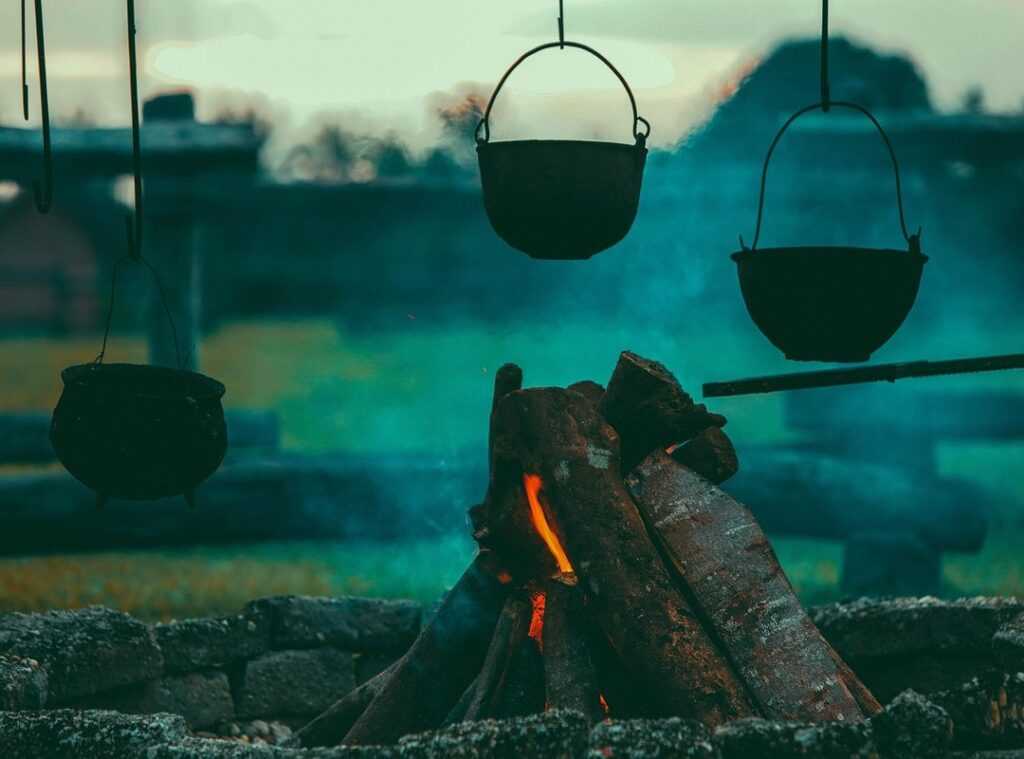
There’s nothing quite like cooking outdoors. The smell of food mingling with fresh air brings a deep satisfaction. But let’s face it.
Every outdoor meal leaves an environmental footprint, and that’s a problem we can’t ignore.
I’m here to help you enjoy delicious meals in nature without harming it. This guide reflects my years of experience with eco-friendly outdoor cooking, aiming for a balance between tasty dishes and a healthy planet.
I draw from the collective wisdom of outdoor enthusiasts who prioritize minimal impact. We all want to preserve the beauty of nature for future generations.
In this article, you’ll find practical and actionable solutions for sustainable outdoor cooking. You’ll learn how to respect the environment while satisfying your taste buds. It’s time to make outdoor cooking enjoyable and responsible.
Together, we can create unforgettable adventures that honor the natural world.
Outdoor Cooking: Make It Green, Make It Count
When I first started outdoor cooking, I didn’t realize just how much traditional methods harm the environment. Coal, propane, and other non-renewable fuels emit carbon and waste. Not to mention, they can cause soil degradation and increase wildfire risk.
Have you ever thought about the footprint you leave behind?
Switching to eco-friendly outdoor cooking isn’t just about saving the world (though,) let’s be real, that’s a big part. It’s about preserving the ecosystems we love, reducing our carbon footprint, and protecting our precious water sources. Plus, sustainable cooking encourages mindfulness and a deeper connection with nature.
Some folks think green cooking is tough or costly. That’s a myth! It’s actually empowering and rewarding.
Even small habit changes (using) a solar oven or a portable wood stove (can) cumulatively make a difference. You might find the experience more fulfilling too. Who doesn’t want to enjoy the outdoors responsibly?
For anyone interested in adopting these practices, check out our responsible camping practices guide. It’s a great start for those wanting to make a positive impact. Remember, every little bit counts when you’re out there in the wild.
Eco-Friendly Outdoor Cooking: The No Trace Way
Ever thought about the mess we leave behind when cooking outdoors? The Leave No Trace philosophy is my go-to for ensuring eco-friendly outdoor cooking. It’s not just about picking up after yourself.
It’s about respecting nature.
Planning ahead is key. Seriously, who wants to lug around unnecessary packaging? Reduce waste by prepping meals before you head out.
Choose durable surfaces for cooking. No one needs a scorched earth policy on their camping trip.
And let’s talk waste. Food scraps and greywater? Pack it in, pack it out.
Always. It’s not glamorous, but it’s necessary. This isn’t just about being neat.
Cooking efficiently is another key point. Use stoves wisely to save energy. Thoughtful meal prep can cut down cooking time too.
It’s about future-proofing our favorite spots.
Every bit helps.
Sourcing responsibly? Before it even gets to your backpack, know where your food comes from. The environmental impact is real, folks.
We can’t ignore it.
For more on this, check out eco-friendly outdoor cooking: tips for an energy-saving …. It’s packed with takeaways to make your outdoor meals kinder to the planet.
Gear Up Green: Sustainable Cooking Essentials
Choosing the right gear for eco-friendly outdoor cooking is a game changer. Let’s be real: not all stoves and fuels are created equal. Wood-gas stoves are fast and let you source fuel locally.
But finding the right wood can be tricky. Alcohol stoves, though simple and clean-burning, may not be as solid. Then there are canister stoves, fast yet requiring careful attention to fuel disposal.
Tossing canisters carelessly? Not cool.
Speaking of fuels, sustainably harvested biomass is great, but not always available. Denatured alcohol burns clean but requires careful storage. And those propane or isobutane canisters?
Dispose of them thoughtfully, please.
When it comes to cookware, choose materials that last. Titanium, stainless steel, even cast iron have their place (though cast iron’s weight isn’t for everyone). And let’s ditch single-use plastics for good.
Reusable utensils, plates, and cups are no-brainers.
Pro tip: Consider new accessories like solar ovens (they’re) fantastic where the sun shines strong. Fast water filtration systems cut bottled water waste. We ought to keep our planet as pristine as our favorite camping spots, don’t you think?
From Farm to Fire: Sustainable Cooking Tips
I love eco-friendly outdoor cooking. There’s something magical about picking ingredients from my local farm (and yes, they’re truly fresher). When you buy local, you’re not just reducing emissions; you’re supporting your community.

It’s like taking a stand with your fork (literally.) Seasonal veggies taste better but are often cheaper. Why not pick something in season next time you shop?
Packaging is another beast. Consider this: less packaging means less trail waste. So when you can, opt for foods with compostable wrappers.
Or skip the packaging altogether. Packing your food starts way before the trip. Chop those veggies at home.
You’ll thank yourself later when cooking is quick and clean.
And plant-based meals? They’re a game-changer. They cut down on carbon footprints and save water.
I know some meat lovers might disagree, but give it a try. You might find a new favorite dish.
Menu planning is key. Portion control can save you the headache of lugging extra weight and wasting food. Check out our Waste Free Camping Guide.
It’s packed with strategies to help you cook sustainably and efficiently.
Leave No Trace Cooking: The Eco-Friendly Way
Cooking outdoors is an art, not just about the meal but keeping nature pristine. Let’s talk waste disposal. You know those food scraps?
Disperse it over a wide area, away from camps and trails.
Even if they’re “biodegradable,” pack them out. Leaving them behind isn’t just messy; it’s harmful. And when it comes to greywater, keep it far from water sources.
Fire safety is another biggie. Use existing fire rings whenever possible. Don’t build a new one unless you want to scar the earth.
Keep your fires small and manageable. Know the local fire restrictions. Seriously, check them out.
And make sure your fire is completely out before you head out. Better yet, consider using a stove. It’s cleaner and leaves no trace, especially in sensitive areas.
Now, cleaning up. Use biodegradable soap, but not near water bodies. Scrub your pots and pans away from streams and lakes.
This keeps harmful substances out of the water.
Finally, do a thorough sweep of your cooking area before leaving. Does it look like you were never there? Good.
That’s the goal. Eco-friendly outdoor cooking isn’t just a practice; it’s a responsibility we all share.
Cook with Purpose
You’ve got the tools for eco-friendly outdoor cooking. Now it’s time to put them to use. You want to enjoy the outdoors while keeping it safe, right?
These solutions work because they blend smart gear choices with responsible sourcing and Leave No Trace principles.
On your next outdoor adventure, set up these practices. Share what you learn and inspire others.
Every sustainable choice you make boosts your enjoyment and protects our planet.
Let’s cook consciously. Ready to make a difference? Start today.
Your next meal can change the world.