
Nature brings a sense of joy and tranquility, but our presence can disrupt that peace. Many outdoor enthusiasts want to enjoy the beauty of the wilderness, yet they worry about leaving a negative impact. Does that sound familiar?
I get it. You want to embrace the great outdoors without feeling guilty.
This is where I come in. I’ve spent years exploring nature and learning how to enjoy it responsibly. I understand the struggle of wanting to connect with the environment while minimizing my footprint.
This article will offer a practical guide to waste-free camping. I’m sharing real takeaways that come from experience, not just theory. You’ll find actionable steps to help you get through sustainable camping practices.
Whether you’re a seasoned adventurer or just starting out, there’s something here for you. You’ll discover ways to enjoy your outdoor adventures while protecting the environment.
By the end, you’ll feel empowered to explore responsibly. Let’s dive in and make your next adventure not just enjoyable, but also eco-conscious.
Sustainable Camping: Nurture the Outdoors
Sustainable camping is simple really: it’s all about enjoying nature while minimizing your environmental footprint. Why does this matter? Well, because leaving a tiny impact ensures future generations can experience the same wilderness you love.
It’s not just a trend; it’s a responsibility.
You might be thinking, “Do I need pricey gear?” No! Sustainable camping is about making thoughtful choices, not buying stuff you don’t need. It’s about understanding that every decision affects the fragile ecosystems we’re part of.
We need to shift from just “visiting” to becoming stewards of the land.
Common misconceptions often get in the way. People think you have to sacrifice comfort. That’s nonsense.
It’s about being waste-free and mindful, like opting for biodegradable soap or packing out all trash. Oh, and speaking of being eco-friendly, consider building green campfire techniques. It’ll save trees and show you care.
In this piece, we’ll dive into practical steps for waste-free camping, discuss key gear that helps without costing a fortune, and explore the mindset shift needed for true stewardship. Ready to embrace a more sustainable camping lifestyle? Let’s get you started on this journey!
Master Leave No Trace Like a Pro
to the Leave No Trace principles. They’re basically the bible of waste-free camping. These guidelines help reduce our footprint in nature, and they’re key for anyone who loves the outdoors.
First up: Plan Ahead and Prepare. Do your homework before heading out. Check the weather, understand the terrain, and pack smart.
This isn’t just about avoiding surprises; it minimizes what you leave behind. Ever packed a meal only to realize you brought unnecessary packaging? Yeah, don’t do that.
Next: Travel and Camp on Durable Surfaces. Stick to trails and established campsites. Avoid trampling on sensitive vegetation.
Rocks and dry grass are your best friends (didn’t see that coming, right?). Knowing where to set up camp can prevent a lot of damage.
Finally: Dispose of Waste Properly. The mantra is simple: pack it in, pack it out. This includes food scraps.
For human waste, use catholes or WAG bags. Trust me, nobody wants to stumble upon your “leftovers.” It’s about respect and keeping nature pristine.
Real-world application is key. So, next time you’re out there, picture yourself as a guest in nature’s home. Act accordingly.
Waste-free camping isn’t just a trend; it’s a responsibility.
Wild Savvy: Water and Fire Tactics
Water management in the wild? It’s all about using what you need without wasting a drop. I’ve seen folks lugging endless bottles into the woods (why?).
Let’s cut that out. You can efficiently cook and clean with minimal water if you’re smart about it. And when it comes to purification, nothing beats boiling (it’s a classic for a reason).
Filters and purifiers are solid backups too. Why risk illness when you can just purify what you find?
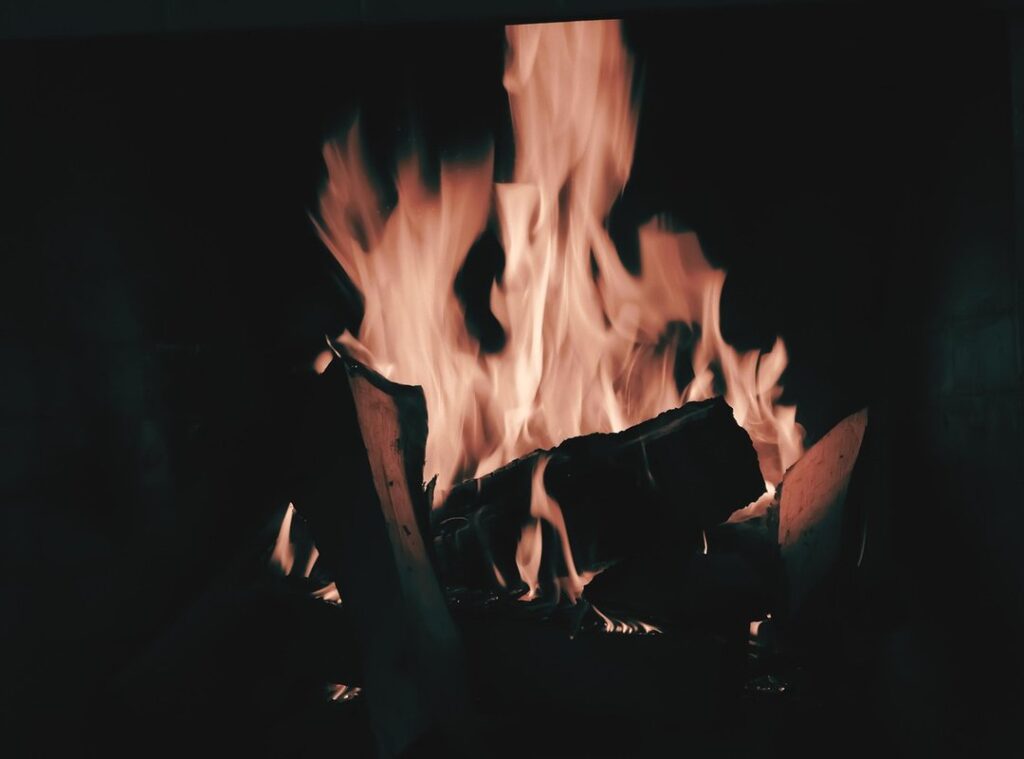
Now, fire. We have this romance with campfires, but let’s be real: they can be environmental nightmares. They chew through resources and pollute the air.
Ever noticed the haze in a popular camping spot? Yeah, that’s us screwing it up. Use established fire rings or fire pans whenever you can.
Only gather dead wood you can snap by hand (if local rules allow). If you can’t touch your fire’s remains with bare hands before leaving, you did it wrong.
And the “no trace” approach? Camp stoves are unbeatable. They let you cook without leaving a mark.
Always check local fire conditions before heading out. Waste-free camping is the future, my friend. Are you in?
Gear Up Green: Eco-Friendly Choices & Wildlife Respect
You want to camp without trashing the planet, right? Well, it’s all about making smarter gear choices. Pick stuff that’s durable and repairable.

This way, you won’t need replacements every time something breaks. Look for products made from recycled materials. It’s not just trendy; it’s smart.
Ever thought about supporting ethical brands? They’re out there, and they need us.
Maintaining gear is key. Keep it clean, store it properly, and it’ll last longer. Less waste means more cash for your next trip.
Speaking of trips, let’s talk wildlife respect. Keeping a distance from animals isn’t just about safety. It’s about their well-being too.
We don’t want them to get too comfy around humans (that can end badly).
Food storage is key. Use bear canisters or hang food bags. Keep your snacks in the car if you have to.
You don’t want to be the person who attracts a bear. Observing wildlife from afar is a must. Never feed them.
It messes up their natural behavior.
Want to dive deeper into waste-free camping? Check out no waste wilderness camping. And hey, learning about local flora and fauna can really boost your experience.
It’s not just about the sights; it’s about understanding the space you’re exploring.
Beyond the Basics: Sustainable Camping Strategies
Waste-free camping isn’t just a trend; it’s a responsibility. The magic of camping can easily be ruined by noise pollution. Ever tried to enjoy a peaceful morning in nature only to be disturbed by someone else’s blaring music?
Respect the quiet. Nature (and your fellow campers) will thank you for it.
Now, let’s talk about greywater. It’s not as complicated as you might think. Use biodegradable soap and scatter the water away from rivers or lakes.
Plastic waste? Pre-pack your meals. Use those sturdy, bold reusable containers. does this reduce trash, but it also saves you the hassle of cleaning up a mess in the wild.
That’s your no-nonsense approach to protecting our water sources.
And while you’re at it, explore eco friendly outdoor cooking for a more sustainable meal prep.
Have you ever joined a trail maintenance crew? It’s a great way to give back. And, honestly, it feels good.
Join conservation efforts, educate others, and never stop learning. Adapt your practices. It’s the key to becoming a truly sustainable camper.
Because at the core, camping is about appreciating nature. Not trashing it.
Embrace Eco-Friendly Adventures
Adopting sustainable camping practices isn’t about restriction. It’s about enhancing your outdoor experience and ensuring its longevity. You want to enjoy nature without harming it, and I’ve shown you how to do that.
This knowledge empowers you to be responsible stewards of the wild. So, take action! Start implementing these tips on your next trip.
Explore more eco-conscious ideas on Impocoolskin.com. Let’s make waste-free camping the norm. Your adventure awaits.