
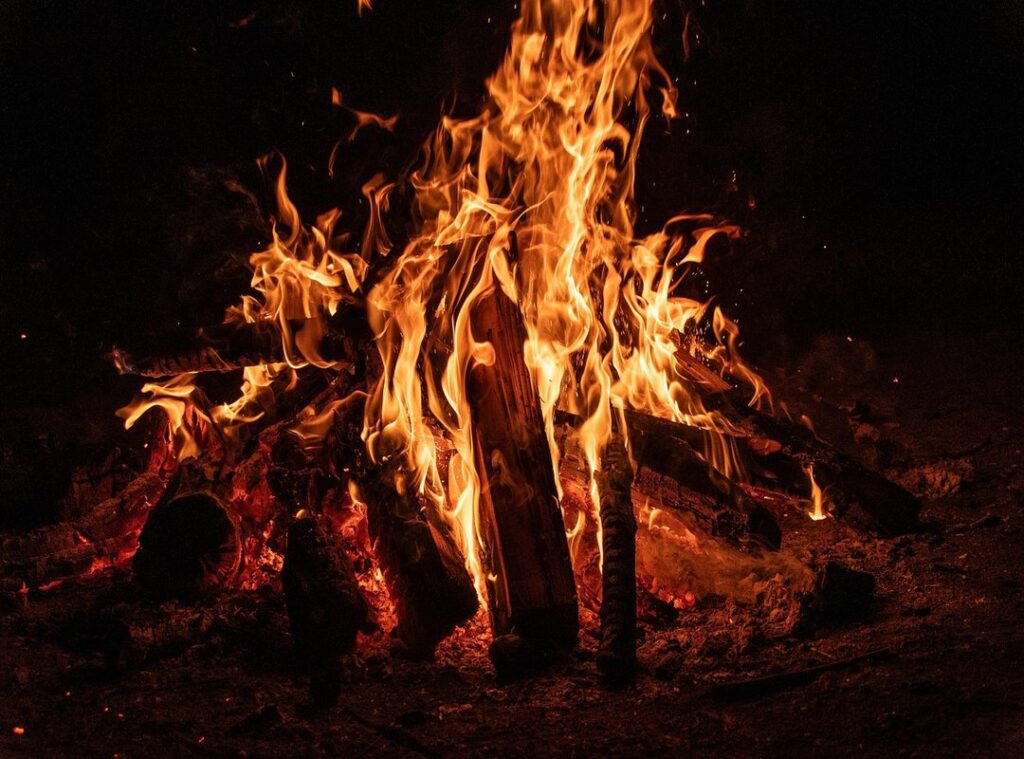
There’s something primal about a crackling campfire under the stars. But have you ever thought about the environmental toll it takes?
Enjoying a campfire often comes with hidden risks, from fire hazards to habitat damage. I know how important it is to have those cozy moments outdoors, but many of us are looking for responsible alternatives.
I’ve spent countless nights under the open sky, working to strike a balance between enjoying nature and preserving it for future generations. My experiences have taught me that it’s possible to have a memorable campfire without leaving a scar on the environment.
That’s why I’m sharing these green campfire tips. You’ll find practical advice that’s been tested in real-world conditions.
These suggestions will help you enjoy your outdoor adventures while leaving no trace behind, just memories.
You want to enjoy the wilderness, not destroy it. Trust me, it can be done.
This guide isn’t just theory. It’s about genuine, rugged, and actionable steps to keep our planet thriving while we enjoy its beauty. So let’s dive in and make our campfires greener.
Understanding Your Impact: Why Eco-Friendly Campfires Matter
When we talk about an eco-friendly campfire, it’s more than just putting out the flames. It’s about the whole lifecycle (from) planning to cleanup. Most folks don’t realize the unseen damage traditional campfires cause.
Soil gets sterilized, delicate root systems suffer, and let’s not forget the air pollution from inefficient burning. That smoke? It’s not just annoying; it’s a problem.
And what about wildlife? They don’t appreciate the disturbance. “Leave No Trace” principles aren’t just for show. They’re key in minimizing our impact on the environment.
You might think, “Why should I bother? One small fire won’t hurt.” But you’d be wrong. The cumulative impact is real.
One careless fire can lead to devastating wildfires and scar landscapes for years.
Here’s a pro tip: use established fire rings and keep your fires small. Real-world examples? Look at areas devastated by wildfires (often) sparked by irresponsible campfires.
We’ve got a rugged responsibility as outdoor folks. Leading by example matters. So, next time you’re out there, think about these green campfire tips.
It’s not just about you (it’s) about preserving nature for everyone.
Laying the Green Foundation: Site Selection & Preparation
When it comes to camping, safety and eco-consciousness should always be your first rule. Use existing fire rings or designated campfire areas to minimize your impact. If you find yourself without a fire ring, you’re probably wondering, “What now?” First, choose a site well away from anything flammable.
Tents, overhanging branches, dry leaves. This isn’t just about not burning down the forest. It’s about being responsible.
Next, clear a circle about ten feet wide down to mineral soil. Why? Because that bare, non-flammable ground won’t catch fire and wreak havoc.
And let’s talk about water. You need a source nearby, plus a shovel or bucket. (Pro tip: Always have these ready. You never know.) They allow for quick action if things get out of hand.
Checking local regulations is a no-brainer. Fire bans exist for a reason, and sticking to them is about respecting our world. Even if it means no campfire at all.
For more eco-tips, our waste free camping guide offers . Embrace these green campfire tips to leave nature better than you found it.
Fueling Your Flame: Sustainable Wood & Alternatives
I’ve always had a thing for campfires. There’s something primal about gathering around a fire. But if you’re not careful, it can easily become an environmental mess.
Here’s a rule I swear by: use “dead and down” wood. This means fallen branches that snap easily, not thicker than your wrist, found away from camp. It’s not just about being eco-friendly, it’s about respecting nature.
Now let’s talk about deadfall versus live wood. Cutting down live trees? That’s an absolute no-go.
Live trees are key for nature’s balance, and hacking them down for a campfire is just senseless. Using local wood helps too. It’s about stopping invasive species and cutting down that carbon footprint from transport.
Simple, right?
Ever thought about ditching traditional wood fires? There’s some great eco-friendly options like portable propane fire pits and bio-mass stoves. Less smoke, more efficiency.
And for the lazy campers? Compressed fire logs. They have their pros and cons, but you get the idea.
Lastly, make sure your wood is dry and split (less) smoke, more flame. Curious about other eco-friendly tips? Check out our eco friendly outdoor cooking.
Ignition & Management: Building a Responsible Blaze
Starting a fire without harmful chemicals? You bet. I always reach for natural tinder like birch bark or dry grass.
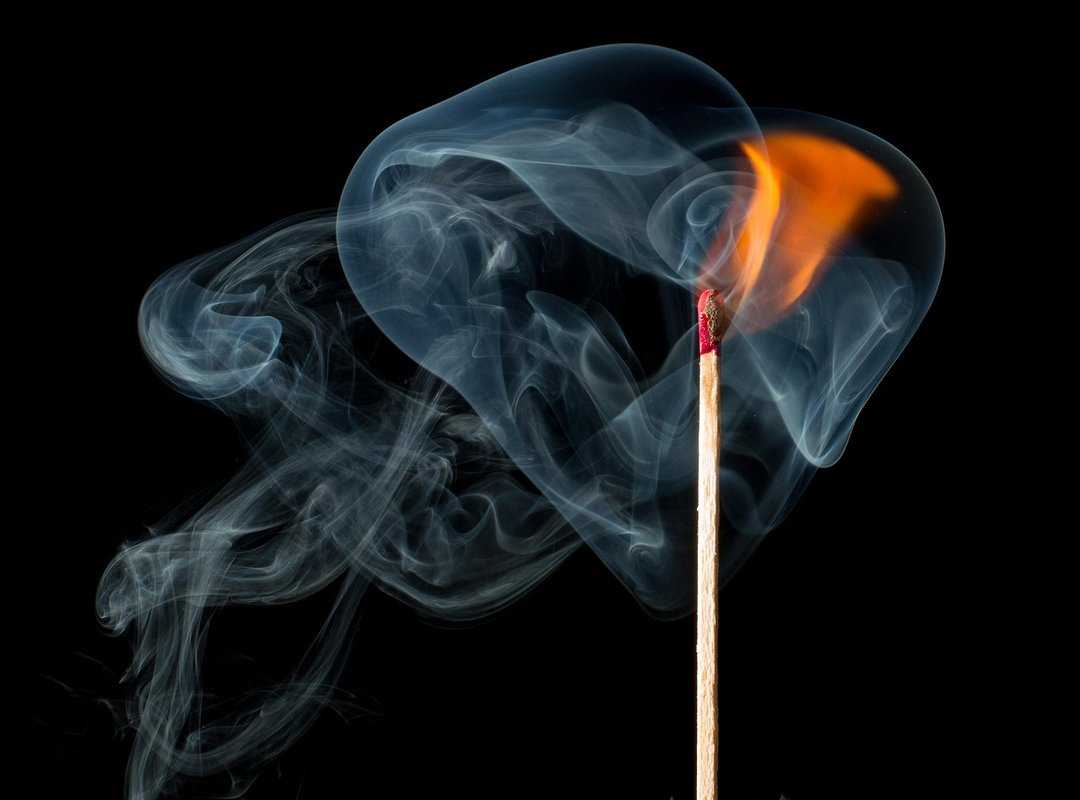
These work wonders with a ferro rod or waterproof matches. No need for toxic stuff here.
Building a contained fire is an art. Forget massive bonfires. Focus on heat, not size.
A small, well-managed blaze can keep you warm without turning into an inferno. Feed it gradually. Keep the airflow steady.
Make sure the flame stays where it belongs. That’s how you do it right.
And let’s talk about smoke. Less is more. Use dry, seasoned wood.
Keep the burn hot and steady. Less smoke means less pollution. We’re out here to enjoy nature, not choke on it.
Here’s a pro tip: Never leave your campfire alone. Never. Always have a means to extinguish it, like water or sand.
It’s about being responsible. You don’t want to be that person who starts a wildfire.
Looking for more green campfire tips? There are tons of resources out there. Fire can be a friend or a foe.
Let’s keep it friendly. Stay vigilant and enjoy the warmth responsibly.
Leave No Trace: Extinction & Aftercare
Ever get that eerie feeling as you leave a campsite? Like the trees are watching you, making sure you did it right. Let’s talk about leaving no trace behind, with some green campfire tips.
First, drown that fire. No, seriously. Throw copious amounts of water over it.
Then, grab a stick and stir the ashes like you’re mixing a witch’s brew. Repeat until it’s cool to the touch. Trust me, nothing’s scarier than thinking you’ve put out a fire only to find it alive and kicking.
Next, you’ve got to scatter the cold ashes far away. Why? To let them decompose naturally.
We don’t want a nutrient hotspot wrecking the local space. It’s like nature’s version of recycling.
Don’t forget to “naturalize” the area. Put the rocks and soil back, pack out all trash (even those sneaky burnt foil bits), and make it look like you were never there. It’s not just about being neat; it’s about respecting the wild.
Remember, your campsite should look untouched, like no human ever set foot there. That’s outdoor respect at its finest. And really, isn’t that what adventure’s all about?
Campfires Done Right
I know you want to enjoy nature around a campfire without guilt. You crave that connection but worry about the impact.
These green campfire tips help you to embrace tradition while protecting our wild spaces. The techniques I’ve shared work because they’re proven and rugged.
Why compromise on your adventures? By adopting these eco-friendly practices, you can have your fire and keep the wilderness intact.
So, what’s next? Put these tips into action on your next trip. Share your experiences and learn more ways to be a responsible steward of the wild.
Let’s keep our outdoor spaces lively and thriving. Your adventure starts now. Get out there and make it happen!