

Have you ever spotted a stunning bird and felt the frustration of not knowing its name?
I get it. That moment of awe can quickly turn into a letdown when you realize you can’t identify what you just saw.
This article is here to change that. I want to share practical bird identification tips that will help you turn casual sightings into confident identifications.
I’ve spent years exploring nature and observing wildlife, and I’ve learned a lot along the way.
I know how overwhelming it can be with so many birds out there.
But don’t worry.
I’m going to give you the foundational knowledge and specific techniques you need to boost your birding experience.
By the end, you’ll feel more skilled and ready to recognize the birds around you.
Let’s dive in and open up the secrets of bird recognition together.
Important Gear and Mindset: Kickstart Your Birding Adventure
Starting with bird identification tips, a good pair of binoculars is your best friend. You want something with decent magnification (say, 8x) and objective lens size that lets in enough light. Trust me, nothing’s worse than squinting through a foggy lens.
And don’t skimp on a field guide. Choose a regional one to avoid cluttered pages of birds you won’t even see. Digital guides are handy, but I love flipping through a physical book.
It’s tactile. Plus, no battery issues.
Now, a birder’s notebook is a must. Jotting down your sightings and sketches (even if they’re stick figures) helps cement those experiences. You’ll thank yourself later when trying to recall if you saw that rare warbler last year.
Mindset matters too. Patience, keen observation, and willingness to learn are key. Sometimes identification isn’t instant and that’s okay.
Embrace it. Ask yourself: What’s unique about this bird?
Start locally. Familiar environments help build your foundation. As you grow, those skills will serve you well in new territories.
It’s all about enjoying the process and not rushing through it. Birding is a journey, not a race. Take it one feathered friend at a time.
Mastering Visual Cues: Beyond Just Color
Identifying birds isn’t just about spotting a splash of color. It’s more subtle. First, consider size and shape.
Is it robin-sized with a stocky build or slender like a sparrow? Now think about plumage details. Forget “brown bird.” Look for streaks, spots, or wing bars.
Those little eye rings can be a game-changer in identification.
Next up, structural features. Bill shape says a lot. Long and thin could mean nectar-eating.
A conical bill? Likely a seed eater. Leg length and tail shape are also key.
Is the tail forked or square? Each feature tells a story.
Flight patterns are another clue. Does it soar, flap frequently, or follow an undulating path? Combine these cues and you’ve narrowed down your options.
Picture a small, plump bird with a short tail and streaky brown plumage. What could it be?
Curiosity piqued? Maybe start by learning to read compass without GPS. It’s all about engaging with the outdoors.
Pro tip: Always carry binoculars. You’ll catch those subtle cues easier. Bird identification tips like these help you become a sharper observer. Isn’t it satisfying to decode what you’re seeing? Keep practicing, and soon, you’ll master the art of spotting.
Listening to Nature: Bird Calls and Songs
Ever try identifying birds just by sound? It’s like cracking a secret code. Most birds make themselves known with their voices before you ever spot them.
So, why not use your ears as much as your eyes? It’s not just about songs, either. Birds have different vocalizations: songs for breeding or territory, calls for alarms or contact, and even non-vocal sounds like wing beats.
But how do you learn these sounds? First, try mnemonic devices. Ever heard “Who cooks for you all?” That’s your Barred Owl calling.
Associating sounds with habitat helps, too. Listen to recordings and notice which sounds belong where. Apps and online resources are great for testing your skills.
They let you practice identifying bird sounds on the go.
Quiet listening is key. You can’t catch the subtle notes of a songbird if you’re talking or distracted. Concentrate when you’re out there.
It’s not just relaxing, it’s effective for honing your bird identification tips.
Birdwatching isn’t just about sight. It’s an auditory experience. And once you get the hang of it, you’ll find that listening to nature is as rewarding as seeing it.
Who knew birding could be a full sensory adventure?
Context is Key: Bird Spotting Simplified
When it comes to bird identification tips, context is everything. You see a bird in a forest? It’s probably not the same species you’d spot in a bustling cityscape.
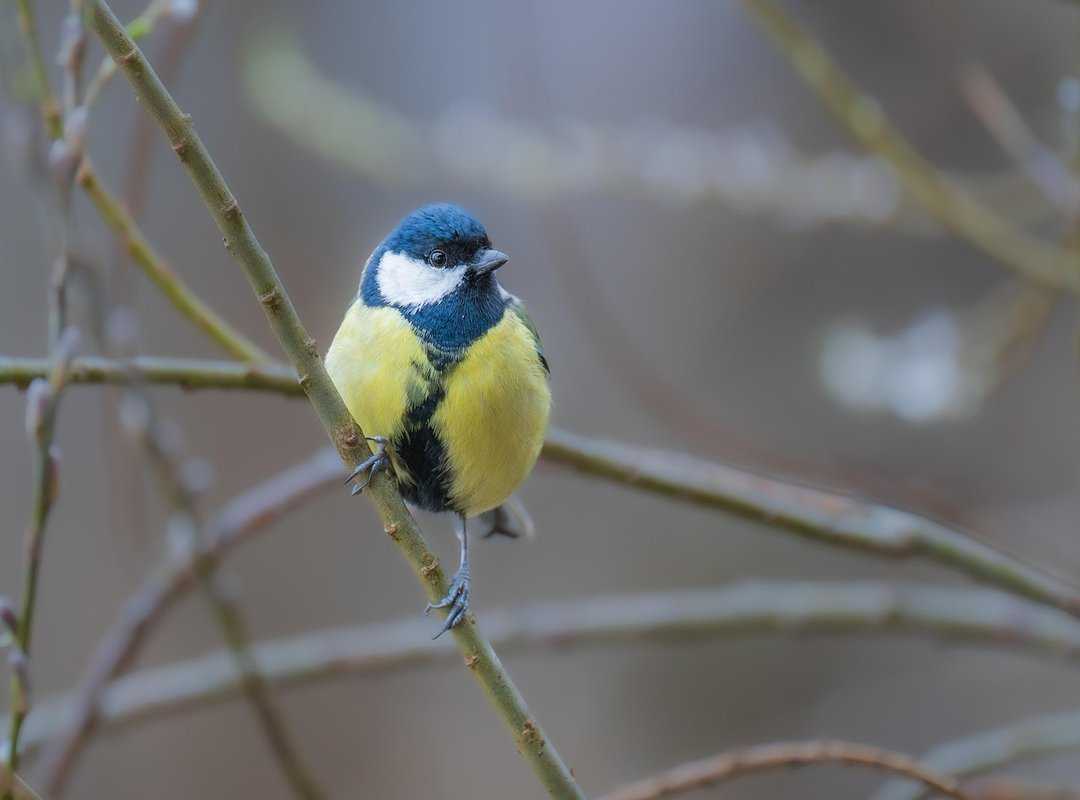
Each habitat offers distinct clues. Wetlands teem with water-loving species, while grasslands attract seed lovers. And don’t get me started on coastal areas (they’re) a whole different ballgame.
Behavior is your next clue. Ever notice how some birds love to flock together? Others, like rebels, prefer going solo.
Feeding habits are dead giveaways too. Is that bird a ground feeder scratching around, or maybe it’s snatching insects mid-air? Posture matters (a bird’s stance can scream its identity).
Seasons? They’re the unsung heroes in identification. Migration patterns, breeding times, and wintering spots narrow down the suspects.
A small, brown bird in an open field during spring? Likely a sparrow. A big, dark figure soaring above a canopy?
Probably a hawk on the hunt.
Combine all these clues, and you’re on your way to being a pro. Curious for more? Check out the identifying birds guide.
It’s a great resource for honing your skills (trust) me, knowing where to look makes all the difference.
Birding Tech: Gadgets and Apps for Modern Watchers
Ever tried identifying a bird’s call but got lost? You’re not alone. Technology’s got your back here.
Apps like Merlin Bird ID and Audubon Bird Guide are game-changers. Seriously, they can identify bird calls and images like a seasoned expert. But are apps enough?
Let’s not forget the power of digital cameras and smartphones. They’re not just for selfies. Capturing clear pictures or videos helps when you can’t ID a bird on the spot.
You can review later or share with online birding forums.
Pro tip: always cross-reference the info you find. Apps are great, but they sometimes miss the mark. Don’t let technology completely replace your observation skills.
Direct experience is irreplaceable. And have you heard about eBird? It’s a citizen science platform where you can track sightings and contribute to conservation goals.
Amazing, right?
Connecting with online birding groups is another fantastic way to learn. You’ll find expert advice and community support. Plus, it’s more fun to share discoveries with others.
And while technology is cool, remember to lift your eyes from the screen now and then. Who knows, you might spot something truly fascinating while exploring tidal pools beginners. Bird identification tips are just the start.
Take Flight into Birding
I hope this article has given you the bird identification tips you need. You want to identify birds confidently, right? Combine observation, listening, and the right tools to make your birding experience rewarding.
Now grab your binoculars and step outside. Practice these techniques. Explore the lively world of birds around you.
Keep learning and connecting with nature. The joy of discovery never ends.
You have what it takes to become a birding expert. So why wait? Start your adventure today and uncover the beauty that awaits in your own backyard.