
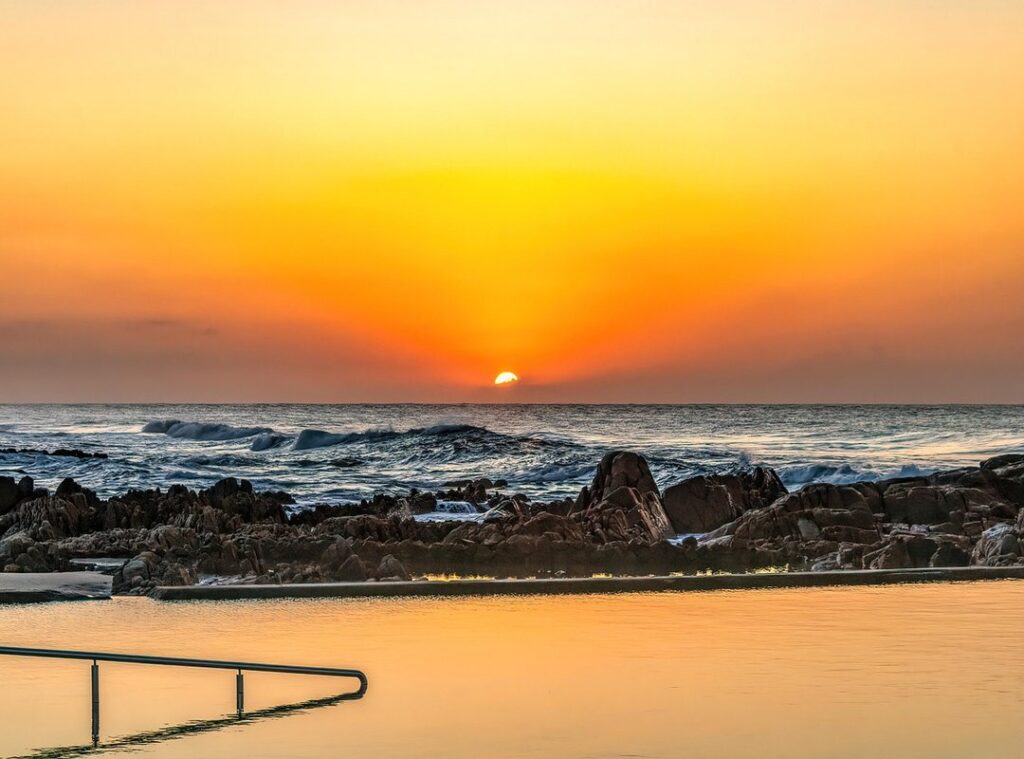
Tidal pools are fascinating. They’re like hidden worlds waiting to be discovered at the ocean’s edge. Many people want to explore these lively ecosystems but don’t know how to do it safely or ethically.
Does that sound familiar?
I’ve spent years exploring coastal environments and gained a real understanding of what it takes to appreciate these ecosystems. I’ve seen firsthand how easily you can disrupt the delicate balance of life in tidal pools.
This article is your tidal pools guide. I’ll share practical tips and takeaways that equip you for safe exploration. You’ll learn how to respect the creatures you encounter while soaking in the beauty around you.
Whether you’re a seasoned adventurer or a curious beginner, I promise this guide will help you start on your own tidal pool adventure. Ready to open up the secrets of these incredible ecosystems? Let’s dive in.
What Exactly is a Tidal Pool? A Peek into Nature’s Aquarium
Ever stood at the edge of a rocky shoreline and noticed those little water pockets left behind when the tide pulls back? That’s a tidal pool. They’re not just puddles.
These are natural depressions in the intertidal zone, filled with seawater, and temporarily isolated from the ocean. Tidal pools form through geological quirks and the rhythmic dance of tides. It’s like the sea’s own way of creating tiny aquariums.
What’s wild is how life thrives there. Organisms in these pools face challenges like salinity swings and temperature changes. Yet, they’ve adapted in ways that are nothing short of extraordinary.
Think of them as ‘micro-oceans’ bustling with life. The biodiversity is staggering. From starfish to sea anemones, these pools are nurseries but also key feeding grounds.
So next time you’re by the coast, take a closer look. You’ll find more than just water in these natural wonders.
Gear Up: Tidal Pools Guide
When exploring tidal pools, proper footwear is your lifeline. Trust me, sturdy water shoes or old sneakers with good grip are non-negotiable. Flip-flops?
Bare feet? Forget it. They won’t save you from slippery rocks or sharp shells.
Now, sun protection is a must. Use reef-safe sunscreen, a wide-brimmed hat, and don’t skip the sunglasses. The sun’s glare off water and rocks can fry you alive out there.
For observing, a small bucket (clear-sided if you can) is great for temporary views of critters. Add a magnifying glass for those close-ups. You’ll want a field guide handy too.
Think you can remember everything? You won’t.
Clothing? Go practical. Layers and quick-drying fabrics work wonders.
Always have an extra set of clothes waiting post-adventure.
Safety shouldn’t be an afterthought. A basic first-aid kit, your phone fully charged, and local emergency contacts can turn a mishap into a minor inconvenience.
Remember, less is more. Don’t overpack. You need to stay agile.
Lugging around extra junk isn’t going to help anyone.
If you’re into wildlife beyond tidal pools, you might want to master bird identification. It’s another way to enrich your adventures.
Navigating the Tides: Dive into Tidal Pool Exploration
You want the best tidal pool experience? Check the local tide charts. It’s not optional.
Low tide is your friend here. Don’t just show up whenever because you’ll miss out. Arrive an hour before the lowest tide and leave an hour after.
That gives you plenty of time to explore and avoid getting stranded by the incoming tide.
Walking on rocky terrain? Go slow. Look where you step and test your footing.
Slippery green algae patches? Avoid those unless you enjoy falling on your face. It’s common sense, but we all know someone who learns the hard way.
Never go alone, especially in unfamiliar areas. Always tell someone where you’re going. Tidal pools can be unpredictable (and let’s face it, a little creepy when you’re alone).
Be aware of your surroundings. Rogue waves are no joke. Keep an eye on the weather and watch out for hidden hazards.
When you approach the pools, do it slowly. Observe without disturbing the inhabitants. It’s about respect, not just sightseeing.
If you’re curious about more details, check out how to visit the tidepools for a deeper dive. This tidal pools guide isn’t just a suggestion (it’s) how you make the most of your trip. Trust me, you don’t want to miss this. Being prepared makes all the difference.
Dive Into the Depths: Common Tidal Pool Inhabitants
Exploring a tidal pool is like peeking into a tiny, bustling world. You’ll find countless creatures crammed into small spaces, like sea anemones with their delicate, waving tentacles. Ever noticed how they sting?
It’s their defense, a little zap to keep predators away.
Then, there are crabs. Watch how they scuttle sideways, disappearing under rocks. Speaking of rocks, gently turn them over (put them back, of course) because the magic hides.
Mussels cling to surfaces with sticky threads, while barnacles cement themselves and filter-feed from the water. They’re like the stationary sentinels of the pool, just hanging out.
Look closer and you might spot starfish with their suction-cup feet clinging to rocks. These guys are slow, but they sure know how to grip. Sea snails, meanwhile, glide along, leaving tiny trails.
And let’s not forget the algae (those) slimy, colorful mats are like the carpets for our underwater friends.
Got a field guide or an app? Use it. Identifying these critters adds a whole new layer to your adventure.
Pro tip: patience is key. Sit still, breathe in the salty air, and wait. Often, the coolest discoveries pop up when you’re not in a rush.
Movement, color shifts, and sounds (yes, you can sometimes hear the ocean “snap”) are clues to what’s living in that pool.
A journal or camera (no flash) helps document what you see. Capture moments, learn names. This isn’t just a tidal pool guide; it’s your ticket to another world.
Leave No Trace: Tidal Pools, Nature’s Gem
I’ve seen too many folks underestimate the importance of the Leave No Trace principles in tidal pools. It’s simple: pack it in, pack it out. This means everything.
Shells, rocks, little critters (they’re) not souvenirs. They’re key parts of the space. Removing even a small piece can disrupt the balance.
You think a shell is just a shell? It’s a home, a protection, a part of life down there.
Handling marine life? Don’t. Your touch can stress them out, scraping off protective coatings.
I get it, you want a closer look, but it’s not worth causing harm. And let’s talk about waste. Don’t leave trash (not even a banana peel).
Respect the place. It’s fragile and deserves more than our mess.
Photography is tricky, too. Take pictures without trampling everything. We’re guests here, and the goal is to leave these places as beautiful as we found them.
If you’re curious about natural navigation like Read Compass Without Gps, it’s all about respecting nature while exploring.
Dive Into Tidal Pools
You’ve got the knowledge to explore tidal pools confidently. I know that uncertainty can be a real pain. But with this tidal pools guide, you’re ready to uncover the hidden wonders of these unique environments.
Make sure you check local tide charts and gather your gear.
Now is the time to step into nature’s playground. You’re equipped to safely enjoy this adventure. Don’t hesitate.
Pack your stuff and hit the beach. The tidal pools are waiting for you. Experience the thrill of discovery and deepen your connection with the natural world.
Go for it!