
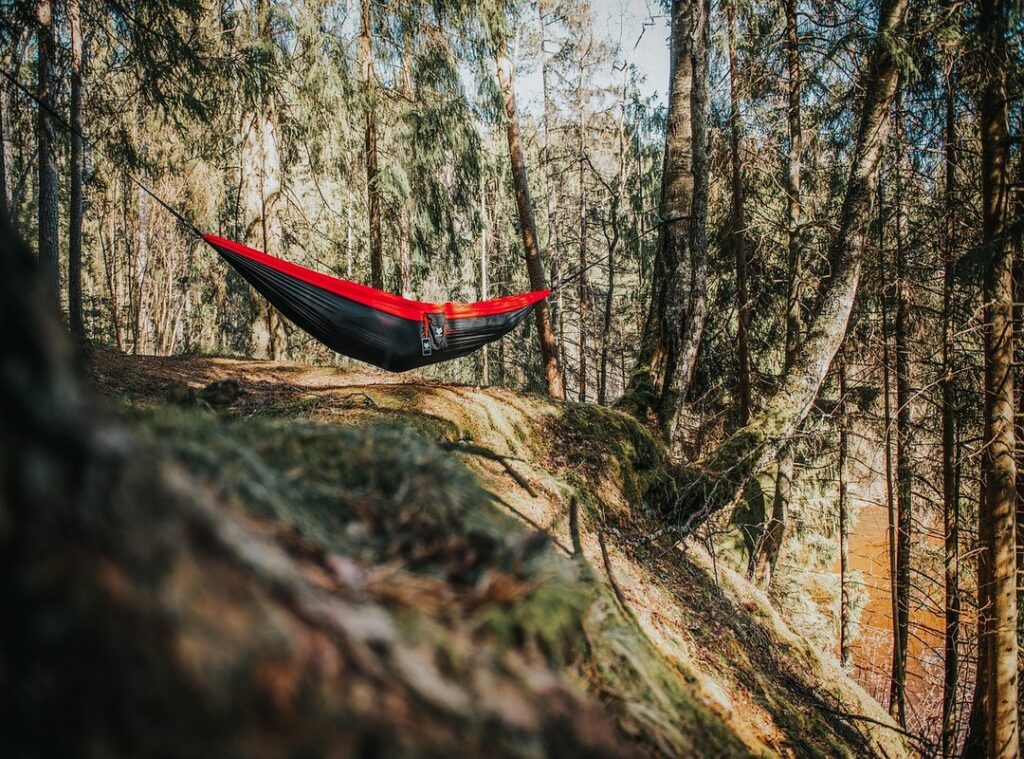
Finding the right camping hammock can be frustrating, right? With so many options out there, how do you choose? I’ve been there, and I get it.
After testing a bunch of hammocks, I want to share what I’ve learned. In this camping hammocks review, I’ll break down what to look for when selecting the best one for your adventures.
Trust me, you want a hammock that’s comfortable and durable. I’ll cover everything from weight limits to material choices.
You’ll find tips to help you avoid common pitfalls. I know the last thing you want is to end up on the ground after a long day of hiking.
I’ll point you to some top-rated options that I’ve personally tried and loved.
By the time you finish reading, you’ll feel confident in making an informed choice. Let’s dive into the world of hammocks and find the perfect one for your next outdoor experience.
Hammock Anatomy: Materials and Durability
When it comes to hammocks, the materials are the unsung heroes. Take ripstop nylon and polyester, for instance. They’re both pretty popular.
Why? Ripstop nylon is light and strong, which is great for backpackers. Polyester, on the other hand, is durable and dries fast.
Ever heard of Denier ratings? It’s a way to measure fiber thickness. Higher Denier means tougher fabric, but also heavier.
That’s a trade-off you have to consider when thinking about durability versus weight.
Construction is another beast entirely. Single-layer or double-layer fabric? Double-layer is obviously stronger, but it’s heavier too.
Triple stitching at stress points is a must if you want your hammock to last longer than a summer. I know, it sounds technical, but trust me, it matters. Ever tried hanging a hammock that rips at the seams?
Not fun.
Material choice affects more than just weight. It dictates how your hammock handles weather. Rain, sun, wind (all) these elements can wear down a poorly made hammock.
So, how do you spot a good one? Look for reinforced stress points and quality stitching. A close inspection can save you from future headaches.
Who wants to deal with a torn hammock on a camping trip? Not me.
Finding Your Sweet Spot: Comfort, Size, and Lay
Ever lay in a hammock and wonder why it feels like a wrestling match with gravity? size matters (I mean, really matters). Single hammocks are cozy, but double hammocks? They give you room to sprawl like a starfish.
You might think more space means more comfort, and you’d be right.
Here’s the kicker: it’s not just about width. Length affects your lay too. A longer hammock lets you achieve a diagonal position, which sounds fancy but just means you’ll sleep like a baby.
This diagonal lay reduces pressure points and supports your back. No more waking up feeling like you fought a bear.
The ridgeline is a game-changer. It keeps sag at the perfect level, ensuring consistency every time you hang. I can’t stress enough how this little piece of gear can revolutionize your hammock experience.
Fabric feel is key too (you don’t want to feel like you’re lying on a cheese grater). So, if you’re checking out specs, maybe even test it out. You wouldn’t buy shoes without trying them, right?
That’s why you should learn more about what’s best for your needs. Happy swinging!
Hanging in Style: Suspension Systems Explored
Let’s get one thing straight: not all hammock suspension systems are created equal. You’ve got tree straps, ropes, whoopie slings, and daisy chains (all) with their quirks. Tree straps?
They’re important for protecting tree bark (and keeping Mother Nature happy). Ropes might seem like a classic choice, but they can damage trees if you’re not careful.
Now, if you’re a fan of leaving no trace, tree-friendly straps are the way to go. I mean, who wants to be that person responsible for hurting a tree? And whoopie slings?
They might sound like a party trick, but they offer excellent adjustability. Daisy chains are simpler but can be less versatile.
Adjustment mechanisms vary, too. Buckles make life easy, while toggles and knot-based systems require some know-how. And let’s not forget carabiners.
Aluminum is lighter; steel is stronger. Just make sure they’re rated for weight (your safety depends on it).
In a camping hammocks review, you’ll find that ease of setup and reliability are significant factors. We all want a secure hang without fuss. So, whether you’re setting up camp for one night or a week, choose wisely.
Your comfort (and) the trees. Depend on it.
Beyond the Hammock: Important Accessories for All-Weather Comfort
You ever try sleeping in a hammock without a bug net? It’s like inviting mosquitoes to dinner (and you’re the main course). Bug nets are a must.
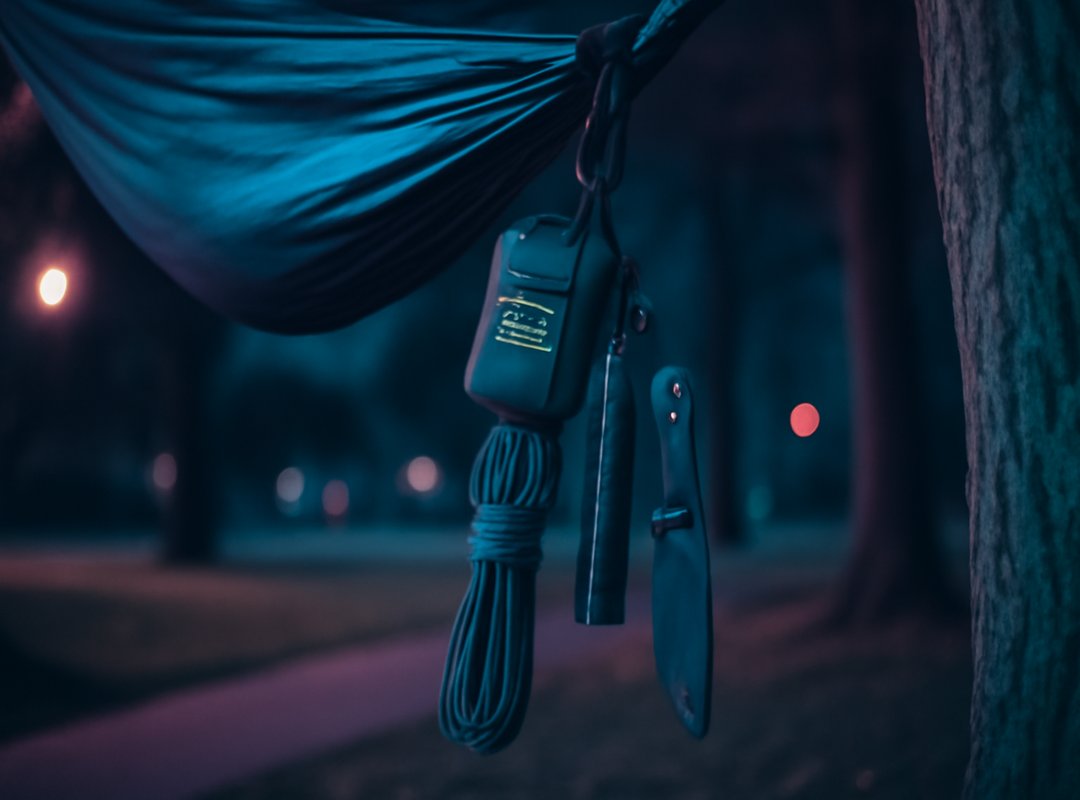
Some are integrated, some are separate. Both can work, but pay attention to mesh density. A tighter mesh keeps the tiniest critters out.
And don’t forget about zippers. A strong, smooth zipper can save you from a night of frustration.
Now, let’s talk rain tarps. Asymmetrical, symmetrical, hex, diamond… it sounds like a geometry class, right? But each shape has its purpose.
Choose based on the coverage you need and the weather you expect. You don’t want to wake up soaked in a downpour.
Cold weather calls for underquilts and topquilts. These aren’t your grandma’s sleeping bags. They hug your hammock to keep you toasty.
Traditional bags just don’t cut it here.
Then there are the little things: gear slings, ridgeline organizers, pillow sacks. These make a world of difference in comfort and organization. Always check their compatibility with your hammock.
Trust me, you’ll thank yourself later. For more on this, check out this camping hammocks review.
Finding the Perfect Hammock: Lightweight, Durable, and Tailored
When it comes to camping hammocks, there’s always a trade-off between weight, durability, and comfort. You can’t have it all. For ultralight backpackers, every ounce counts.
You want something light, maybe even sacrificing a bit of comfort. But if you’re car camping, you might prefer more comfort and durability. Ever tried lugging a heavy hammock on a long trek?
It’s no fun.
Packability is another factor. A hammock that compresses well can be a lifesaver when space is tight. Look for integrated stuff sacks and external compression straps.
They make a difference. Quick-drying fabrics are a must if you’re heading into unpredictable weather.
Now, let’s talk budget. Sometimes, spending more gets you features that are truly worth it. But if you’re just lounging in the backyard, a basic model might do the trick.
For a multi-day trek, aim for a hammock that’s lightweight and compresses well. For a casual day at the park, comfort takes the front seat. Planning a night under the stars?
Think about the Choosing Right Tent Season too. After all, your setup should match your adventure.
This is the real deal. It’s not just a camping hammocks review; it’s about finding the right fit for your style.
Your Next Adventure Awaits
You know the pain of choosing the wrong gear. Now, with this camping hammocks review, you can make informed choices. I’ve laid out what to look for, from comfort to durability.
You’re ready to align your choice with your needs. Trust me, the perfect hang is out there.
So get excited! Take this knowledge and confidently pick your ideal hammock. Don’t just read about adventures; live them.
Dive into nature and experience it for yourself.
Explore more outdoor takeaways and share your stories. It’s time to get outside and enjoy the journey. Your adventure starts now!