
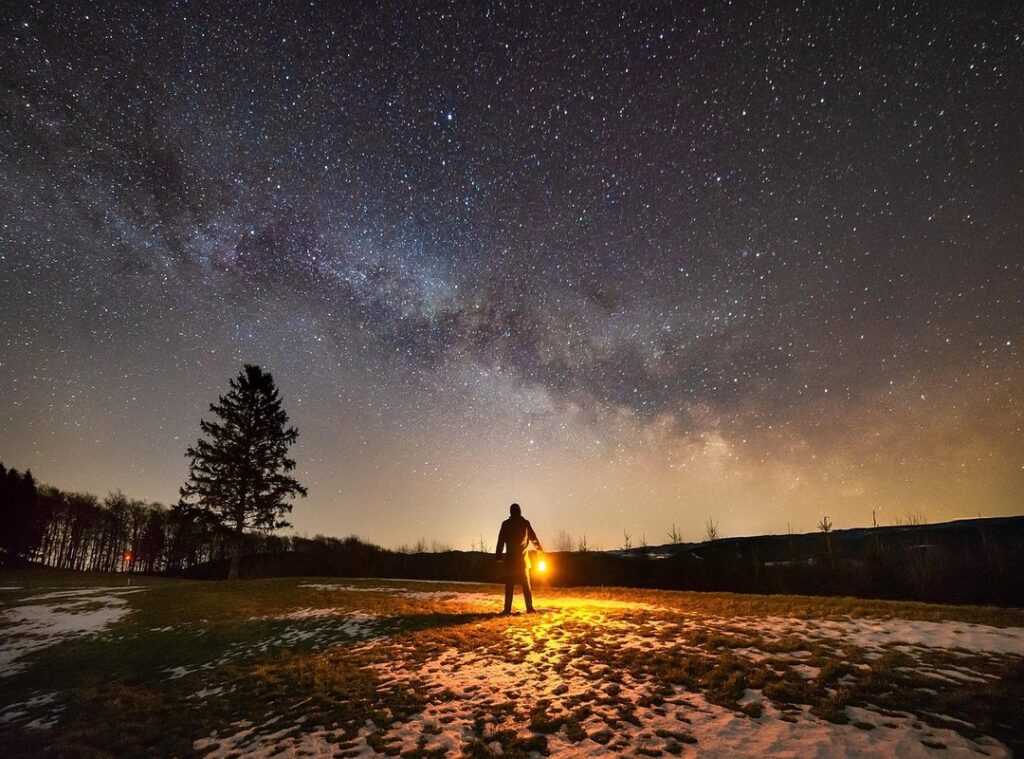
Looking up at the night sky can feel overwhelming. I know that feeling. You want to connect with the cosmos, but where do you start?
Many of us stare at the stars, searching for meaning, yet we lack the practical knowledge for effective night sky navigation.
I’ve spent countless nights under the stars, soaking in the beauty and patterns of the universe. My passion for outdoor exploration drives me to share what I’ve learned.
This article is your guide to navigating the night sky with confidence. I’ll break down the basics and give you clear steps to appreciate what’s above.
By the end, you’ll go from feeling lost to experiencing the wonder of the universe in a real way. I’m here to help you discover the night sky, turning confusion into clarity. Let’s start on this journey together.
The Allure of the Night Sky: Why Look Up?
Ever stopped to think about what really guides us at night? Nocturnal sky guidance isn’t just a fancy term for finding North. It’s about understanding, appreciating, and interacting with the celestial canvas above. The night sky is more than a backdrop.
It’s a map, a story, a source of wonder.
Why should you care? Connecting with the night sky does more than fill your Instagram with stars. It fosters a sense of wonder that’s hard to find elsewhere (and let’s be honest, we could all use a little more wonder).
Plus, it gives you a bold perspective on your place in the universe.
Night sky navigation isn’t just about knowing where the Big Dipper is. It’s about enhancing your outdoor skills. Imagine this: you’re camping, and your GPS dies.
Knowing the stars can guide you back safely. It’s a skill that surprises you with its usefulness.
Understanding the night sky deepens your appreciation for nature and the universe. It’s a gateway to broader outdoor exploration themes. Whether you’re hiking or just stargazing, the night sky connects us to the world in a way few things can.
Isn’t that worth looking up for?
Night Sky Navigation: Gear Up for the Stars
Finding the perfect spot to gaze at the stars? You gotta escape the city lights. Dark sky areas are your best friends.
You can use light pollution maps to hunt these spots down. Trust me, it makes a world of difference.
Weather? It’s key. Clear skies are a must, but don’t forget about the moon.
A bright moon can wash out those faint stars. Want to see more? Check the moon phase before you head out.
Gear up with the essentials: a red-light flashlight is key. It helps preserve your night vision. You don’t want to be fumbling around in the dark, right?
And don’t skip on comfort. A cozy blanket or chair is a lifesaver, especially when you’re out there for hours.
You also need to be warm. Even if it’s mild, temps drop fast at night. Throw in a basic pair of binoculars if you can.
They’re a game-changer for spotting dimmer objects.
Set up your viewing spot with comfort in mind. Lay out your blanket, get your snacks, and settle in. Want more tips on navigating the night?
You might find Read Compass Without Gps helpful.
Stars as Compasses: Navigating the Night Sky
I remember the first time I found Polaris, the North Star. It was like a lightbulb moment (pun intended). You start with the Big Dipper, which is part of Ursa Major.
Look for the two stars at the end of its “bowl” and draw a line through them. Five times the distance between those stars, you’ll spot Polaris. It’s not the brightest star, but it’s steady.
In the Northern Hemisphere, it always shows true north.
Now, onto other celestial signposts. Orion’s Belt is my go-to during winter. Three stars in a row, easy to find.
Cassiopeia, shaped like a W, is another guide. These constellations mark seasons and help with orientation.
The moon also plays a role in night sky navigation. Its phases and path across the sky tell time and direction. Waxing, waning, full, new (each) phase is a clue.
And as the night progresses, stars appear to move. This apparent movement is just Earth’s rotation. But once you grasp it, you can track time and direction.
For those wanting a digital assist, there’s a handy app for night sky navigation. It’s like having a planetarium in your pocket. Happy stargazing!
Tools for Star Gazing: Navigating the Night Sky
Ever stared up at the night sky, feeling a bit lost? Star charts can help. Physical ones are great for old-school enthusiasts.
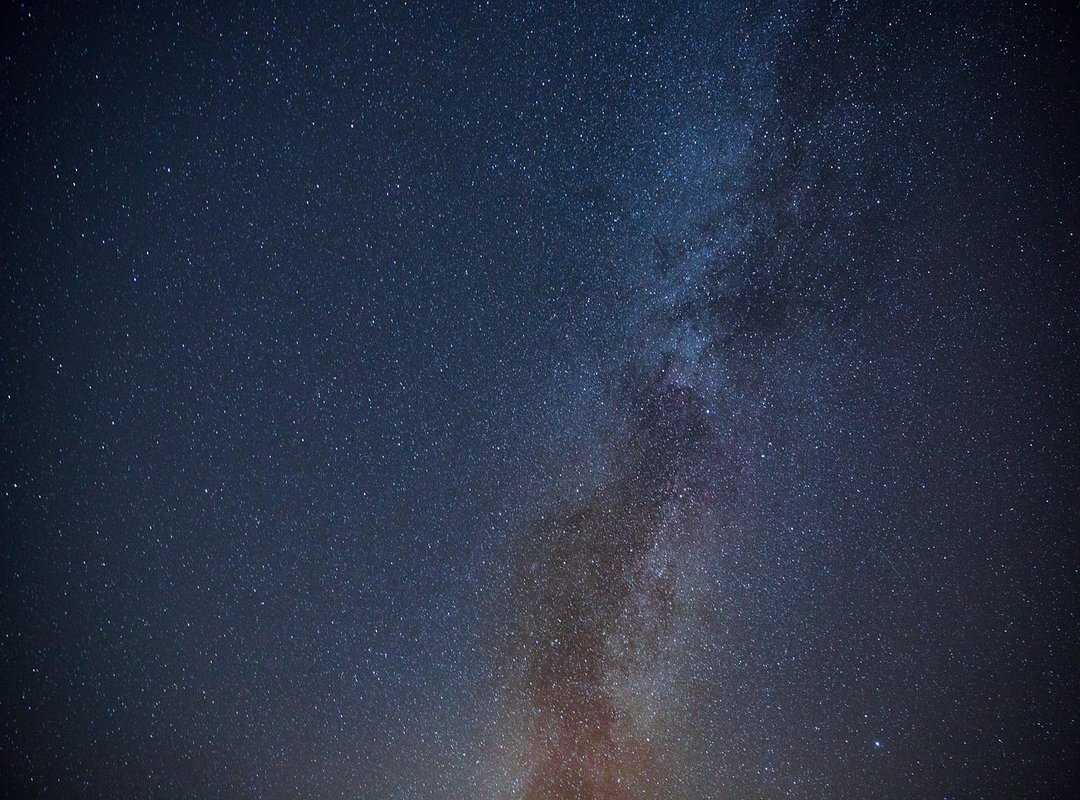
Digital versions? Even better. They let you zoom in and out like some sci-fi flick.
What about gear? Binoculars or telescopes. Binoculars are your go-to for quick scanning.
You can easily find constellations, planets, and those hard to find deep sky objects. Apps like Stellarium and SkyView turn your phone into a portable planetarium. Just remember to switch on ‘night mode’ (keep) your eyes adjusted and the neighbors happy.
Keep them handy for spotting bright objects. Telescopes are more serious (great) for detail, but they need time and some patience. Entry-level models often surprise with their capability.
Let’s not forget about astrophotography. It’s not just for the pros, you know. A smartphone or basic camera can capture wide-field shots of constellations or the Milky Way.
Pro tip: use a tripod to keep things steady.
Want to dive into more outdoor skills? Maybe you’re interested in learning to master bird identification. It’s another way to connect with the great outdoors.
Each night or sunrise can be an adventure. Just look up.
Night Sky Etiquette: Navigating the Stars
Staring up at the night sky is like entering your own personal sci-fi movie. But before you dive in, let’s talk about dark adaptation. It’s key for night sky navigation.
Your eyes need about 30 minutes to fully adjust to darkness. So ditch those bright screens. Trust me, Instagram can wait.
And switch to red-light flashlights. Why red light? It keeps your eyes adjusted while still letting you see.
Light pollution is the villain here. The more we shield outdoor lights, the better it is for everyone. Imagine a world where everyone could see the Milky Way from their backyard.
Sounds dreamy, right? Your actions matter.
Safety’s no joke when you’re out there. Always, and I mean always, tell someone where you’re going. Carry important survival items like water and a first-aid kit.
Dress in layers because temperatures can drop faster than a plot twist in a thriller.
And then there’s the “Leave No Trace” rule. It’s not just for campers. When you’re stargazing, pack out everything you bring in.
Keep your spot clean for the next cosmic explorer. The stars deserve our respect, and so do future stargazers. Keep it pristine out there.
Open up the Night Sky
You’ve tackled that feeling of being lost in the night sky. Now you have practical tools for night sky navigation.
Combine simple techniques with a bit of preparation and you’re ready to embrace the wonders above.
The night sky is not just for experts; it’s for all of us willing to look up.
So step outside tonight. Apply what you’ve learned. Discover the beauty that awaits you.
Don’t forget to share your experiences.
Let’s connect with the stars and each other.
Your adventure starts now. Are you ready?