
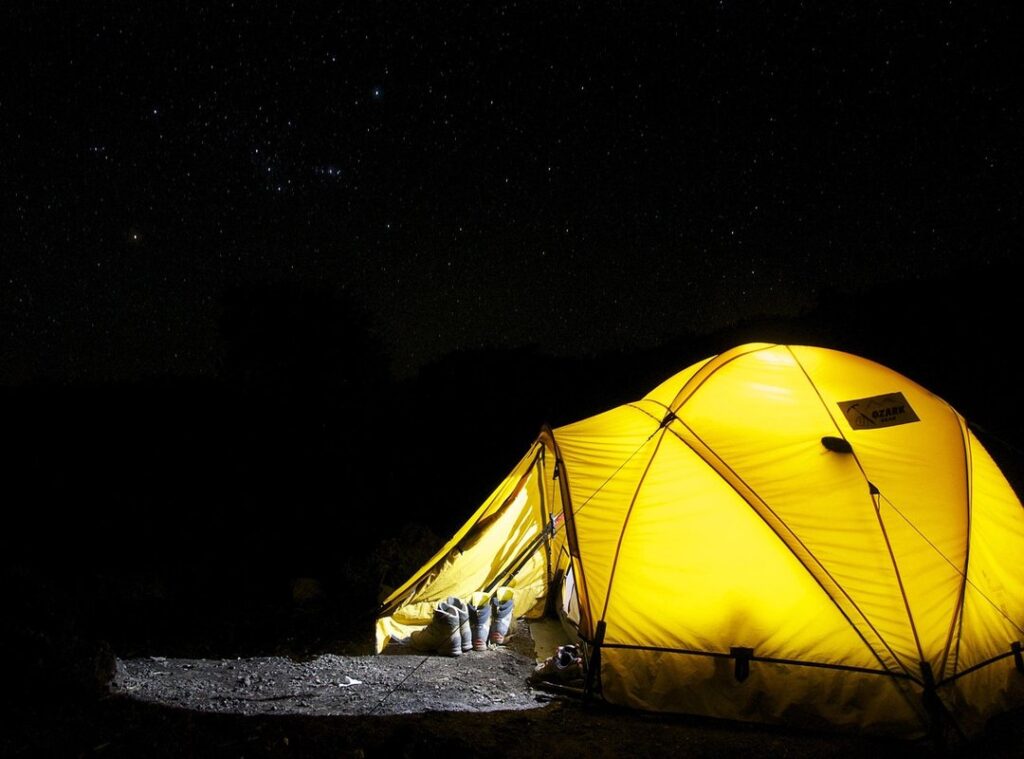
Being caught in unpredictable weather while camping is frustrating. We’ve all been there, right?
Outdoor enthusiasts often struggle to find a single shelter that can handle both the heat of summer and the chill of winter without sacrificing safety or comfort. I’ve faced this challenge myself, navigating everything from snowstorms to sweltering heat.
I know what it’s like to set up camp in a downpour, wishing I had a reliable place to stay dry. That’s why I want to dive into the world of the tent for any season.
This article will help demystify the concept of an all-season tent. I’ll equip you with the takeaways I’ve gathered from years of experience in the backcountry.
You’ll learn how to choose a versatile shelter that can stand up to whatever nature throws your way. Ready to get started? Let’s make your next adventure more enjoyable.
All-Season Tents: More Than Marketing Hype
When people talk about a tent for any season, they often get it wrong. An all-season tent isn’t just a beefed-up winter shelter. It’s a strong fortress ready for anything nature throws at you.
Unlike 3-season tents, which are great for mild conditions but can leave you cold and wet, all-season tents stand firm. They’re built for resilience, not just winter’s wrath.
3-season tents? They’re like your favorite hoodie (light,) breathable, and perfect until it rains. They’re all about ventilation, with lots of mesh to keep you cool.
But when the weather gets nasty, they fall short.
Then, there are the 4-season tents. They’re the tanks of the tent world (heavy) and overbuilt for anything less than the Arctic. They’re often too much for the average camper.
So, where does that leave us?
All-season tents sit comfortably in between. They balance durability with adaptability. They have stronger poles and tougher fabrics, but they’re not suffocating.
They breathe when it’s hot and lock down when it’s cold. And if you’re planning a trip that might include rain, check out the Top Waterproof Jackets Hiking for extra protection. That’s the kind of versatility you need.
Why an All-Season Tent is Your Best Bet
A tent for any season isn’t just a luxury; it’s a necessity for those who want to camp whenever they please. You never know what the weather might throw your way. Adaptability is your biggest ally when the skies decide to play tricks on you.
Sudden rain or snow? No problem if you’re prepared.
They’re lifesavers (literally). When you’re miles from civilization, you want to feel safe and dry.
I’ve been caught in unexpected storms more times than I care to admit. That’s why having a tent that can handle wind, rain, and snow is a game-changer. Superior wind resistance and waterproofness aren’t just buzzwords.
And let’s talk money. Why clutter your garage with three different tents when one can do it all? A high-quality all-season tent may seem pricey, but it pays off.
Check out this overview to find out which models stand up to the test.
Whether you’re tackling high-altitude trails or unpredictable coastal camps, these tents excel. They offer peace of mind and let you focus on what really matters: connecting with the wild. Isn’t that the point of getting out there in the first place?
The Important Tent: What You Can’t Overlook
When picking a tent for any season, you gotta demand the best. You wouldn’t settle for a flimsy shelter, right? Start with strong poles.
High-quality aluminum or DAC alloy poles with a geodesic design aren’t just buzzwords. They mean your tent won’t collapse in a blustery wind (or) under a heap of snow.
Next up is fabric. High denier fabrics like ripstop nylon are your best friends. If you’ve ever woken up in a puddle, you know waterproofing matters.
Factory-taped seams and a high hydrostatic head rating aren’t optional; they’re important.
Ventilation could make or break your night. Balance is key. You want multiple vents and adjustable closures.
Too much condensation can turn your tent into a swamp, but no airflow means you might as well sleep in a plastic bag.
And don’t underestimate vestibules. Spacious ones keep your gear dry, give you space to cook, and prevent your tent from turning into a muddy mess. Trust me, a clean and dry main tent is a happy tent.
Guy lines and attachment points? Reinforce them. High winds test anchors.
Reflective lines and quality tensioners are lifesavers when you’re pitching in low light.
Then there’s setup. Look for intuitive designs. The last thing you need is a tent that takes a village.
Or perfect weather. To pitch.
Finally, focus on weight-to-durability. Performance means a bit more weight, sure, but smart designs minimize this. You want a tent that can handle anything without feeling like you’re carrying bricks.
Now go pick the right tent!
Mastering the Tent: Tips for All Seasons
Using a tent for any season means knowing how to set it up right. Pick a campsite with natural drainage and some wind protection. Who wants to wake up in a puddle, anyway?
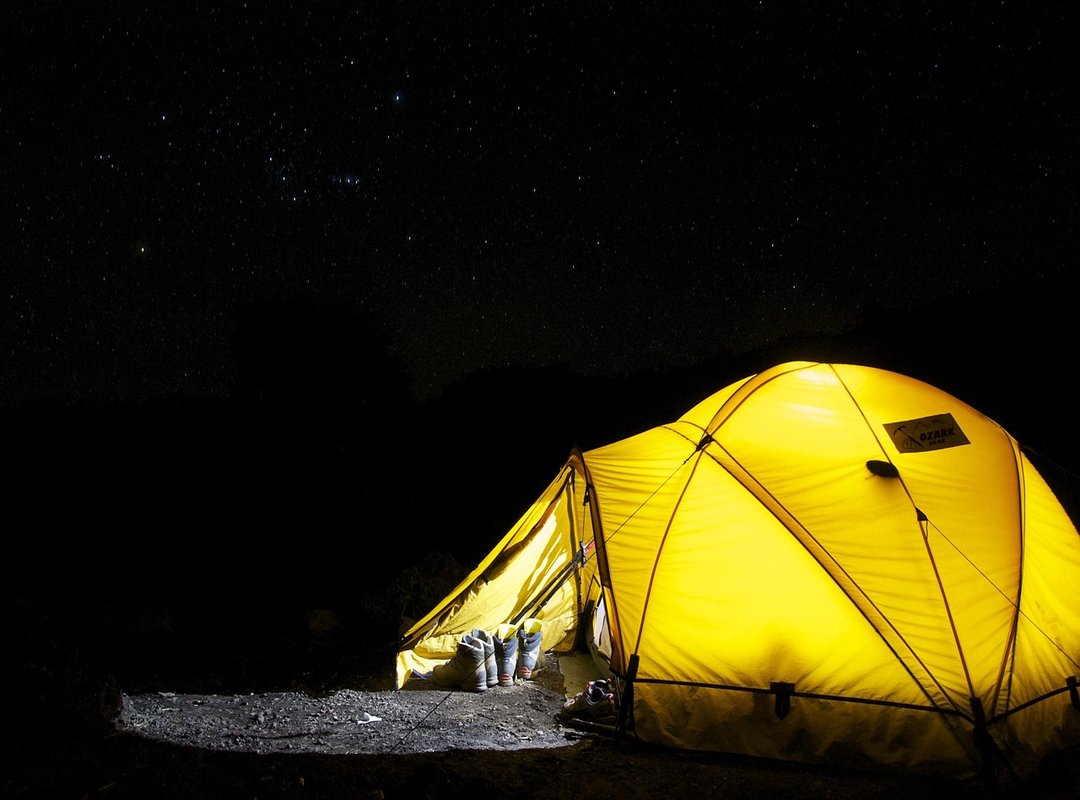
Trust me, even the best tents can’t save you from a poorly chosen spot.
Now, when it comes to anchoring, don’t just rely on stakes. Use trees and rocks for extra stability. In sand or snow, specialized stakes are your best friend.
Ventilation’s a big deal, too. Adjust vents to keep condensation at bay. Nobody likes waking up to a soggy sleeping bag.
Inside, keep it organized. Use internal pockets and gear lofts to maximize space. A cluttered tent is a miserable tent.
But you knew that, right?
Field repairs are inevitable. Always carry a basic repair kit. A quick fix can save your trip.
After the adventure, clean and dry your tent thoroughly. Mold and mildew are not your friends. Store it properly, and it’ll be ready for the next outing.
And speaking of being prepared, check out durable trekking boots finding for your next adventure. Those boots won’t find themselves!
Shelter Smarts: Busting Myths and Making Wise Picks
Let’s tackle a big myth: “All-season means year-round winter.” People assume these tents are only for harsh winters, but really they’re versatile for any unpredictable shoulder season or even alpine summers. You don’t need snow drifts to benefit.
Another misconception? “More poles mean stronger.” I get it; more sounds better. But trust me, pole quality and geometry are more important than sheer numbers. A tent for any season needs the right balance.
And the weight myth: “Heavier is always better.” Sure, weight and durability are buddies, but modern materials give us strong shelters without breaking your back or bank. Pro tip: Go practice pitching your tent before you’re out on a key trip. You don’t want a gust of wind to be your first teacher.
End of the day (whoops, cliché alert), your tent is an investment in safety. Skimping now might leave you shivering in some wild windstorm.
Your Adventure Starts Now
You’ve faced the struggle of finding a tent for any season. I get it. But now, with the takeaways shared, you have what you need to make a smart choice.
Understanding the important features and how to care for your gear sets you up for year-round adventures. Don’t let uncertainty hold you back. Choose the right all-season tent today.
Experience the freedom of reliable shelter in any condition. Get out there and explore. Your next adventure awaits, and it’s time to trust your gear.
Make the move now and raise your outdoor experience. You’ve got this.